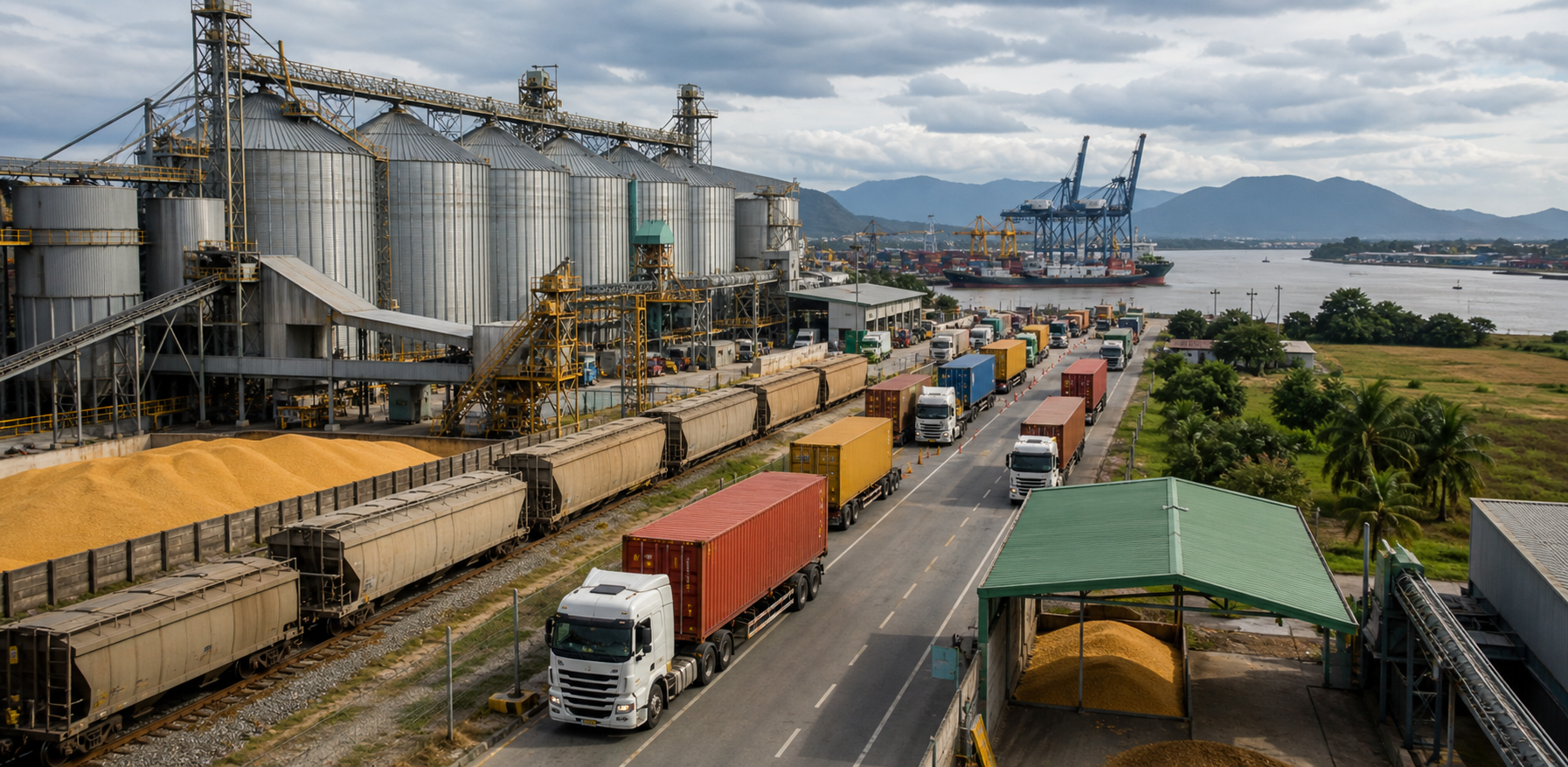
As of August 10, 2026, freight market updates continue to focus on Brazil tariff cost reviews, WTO follow-up, Santos and South America port windows, August peak surcharges, Red Sea and Middle East route risk, and airfreight demand from AI hardware and high-value electronics.
For freight forwarders, importers, exporters, logistics managers and cross-border e-commerce teams, changes in major international logistics markets are no longer only about rates. Customs, capacity, surcharges, inland transport, warehousing and delivery promises must be managed together.
Customs Data Consistency: Align Name, Material, Use and HS Code changes quoting rhythm. Rate validity is shorter, while PSS, GRI, BAF, destination charges and policy windows can move within days.
Transport cost optimization should not compare ocean freight and airfreight only. Inspection, demurrage, warehouse waiting, re-delivery, insurance, temperature records and service costs should be included in the same budget model.
Document review should happen before booking. Invoices, packing lists, HS codes, origin documents, product use, material and consignee qualifications should be consistent.
Quotes should be transparent. Forwarders should state rate validity, applicable sailing, PSS, GRI, BAF, destination charges, inland delivery and exception-cost approval rules clearly.
In the coming weeks, 海关数据 will continue to interact with capacity, surcharges and customs rules. Shippers should work with partners that provide transparent pricing, stable execution, compliance checks and proactive exception alerts.




China——Brazil Trajectory Tracking



+86 532-85066033/34






 中文简体
中文简体 ENGLISH