As of July 20, 2026, the latest logistics signals remain focused on trade policy, port and surcharge pressure, high-value air cargo and e-commerce compliance. Brazil-related trade timing, South American port corridors, Red Sea diversions, PSS updates and AI or semiconductor airfreight demand are shaping freight prices and delivery plans.
For freight forwarders, importers, exporters, logistics managers and cross-border e-commerce teams, changes in major international logistics markets mean quotes, booking, customs, inland trucking and warehousing must be coordinated earlier.
Fuel and BAF Volatility: Fixed and Floating Freight Quotes is part of a broader pattern: more variables, shorter quote validity and higher customer demand for delivery certainty. International logistics planning must consider ocean freight, airfreight, destination charges, tariff windows, warehousing and exception costs together.
Order timing is becoming more uneven. Some shippers move cargo earlier while others wait for policy clarity. Forwarders should provide several routing and cost options instead of only the lowest freight quote.
Customs review also needs to move earlier. HS codes, product descriptions, use, material, origin documents, brand authorization and consignee qualifications can all affect clearance speed.
Forwarders can turn logistics news into practical customer actions such as route updates, freight price alerts, tariff timing reminders, customs templates, warehouse stock advice and exception-cost estimates.
In the coming weeks, BAF燃油 may continue to affect freight pricing and capacity planning. Shippers should work with partners that provide transparent rates, stable capacity, compliance checks and proactive exception alerts.
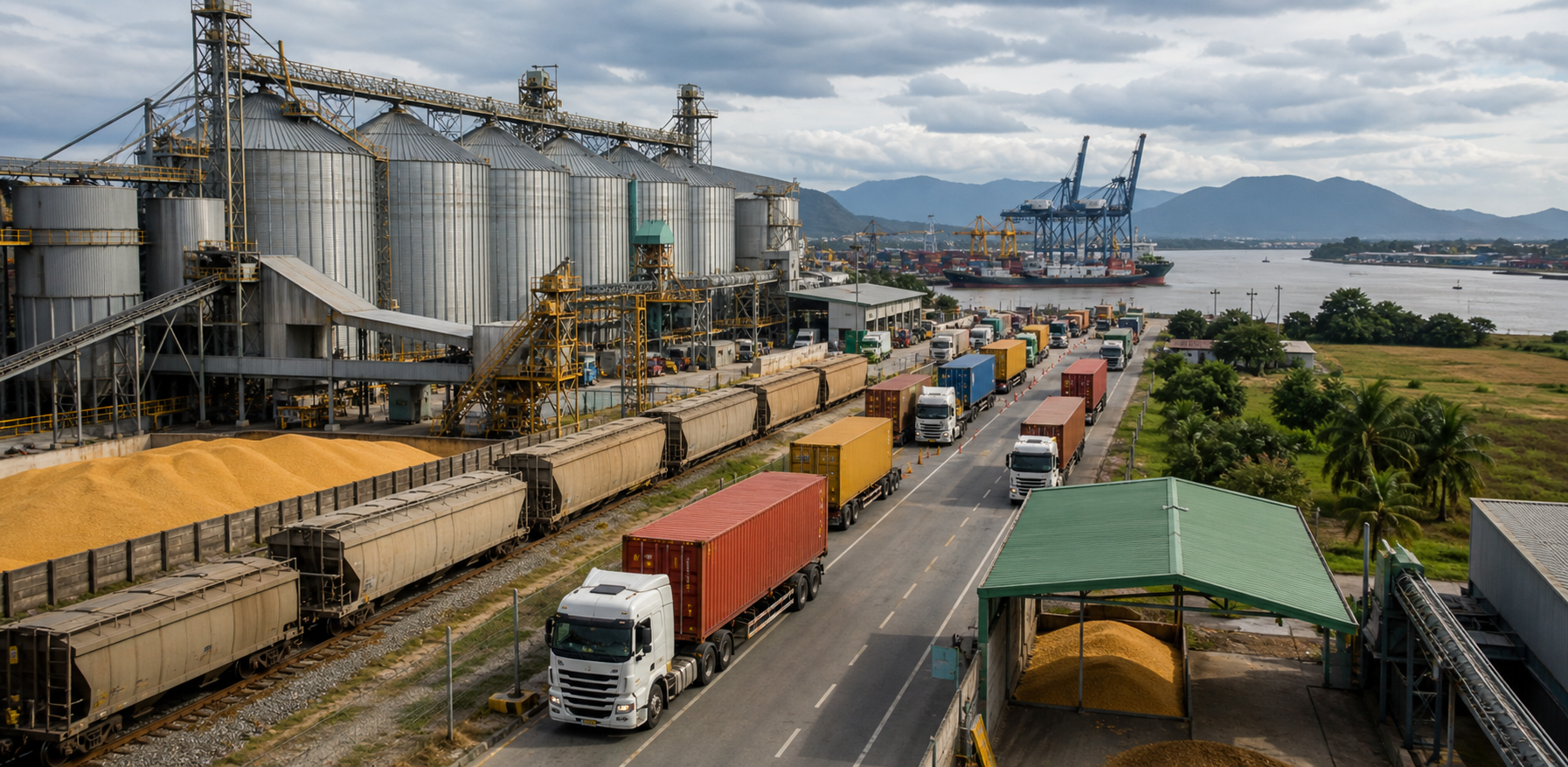
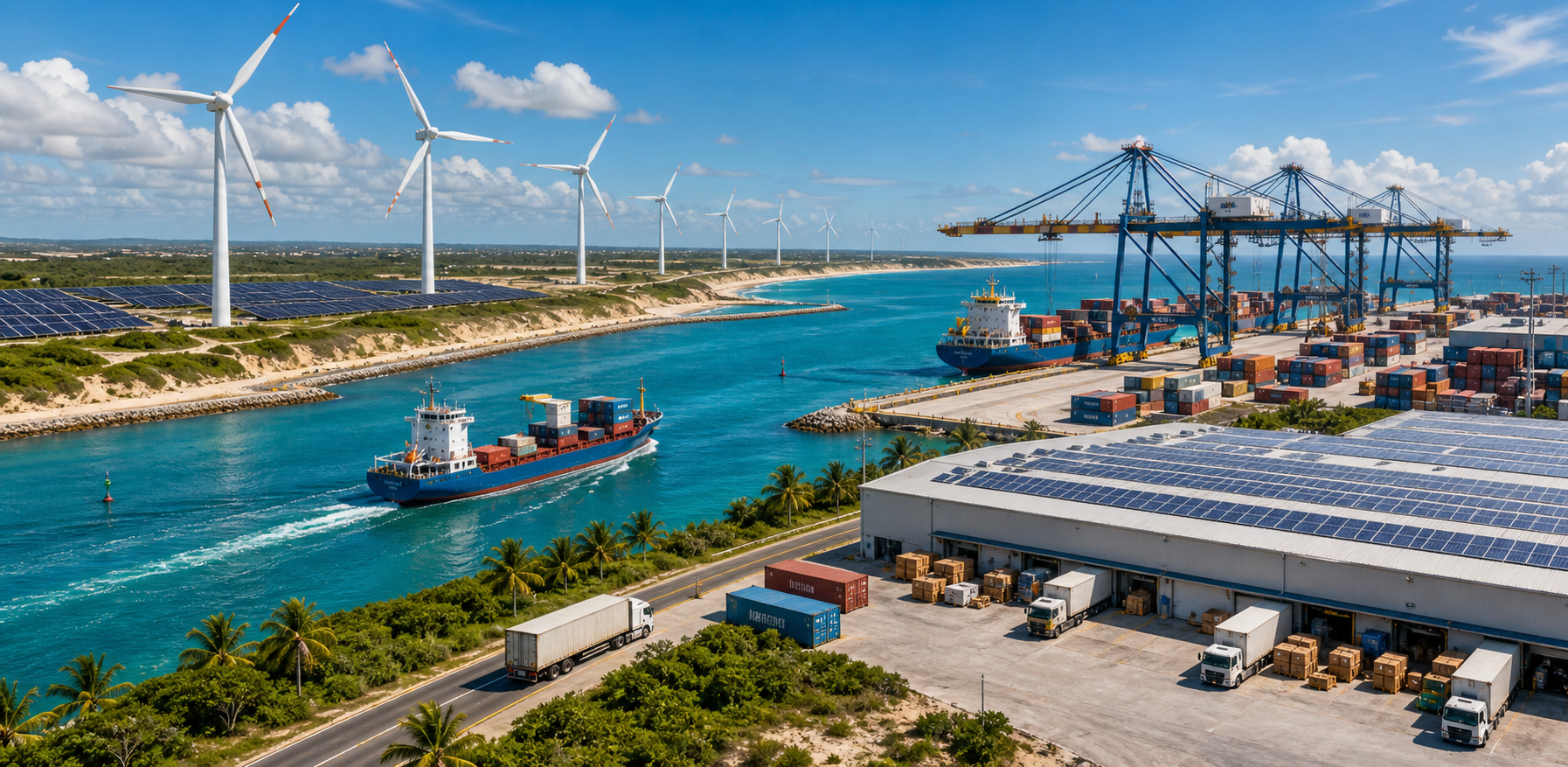
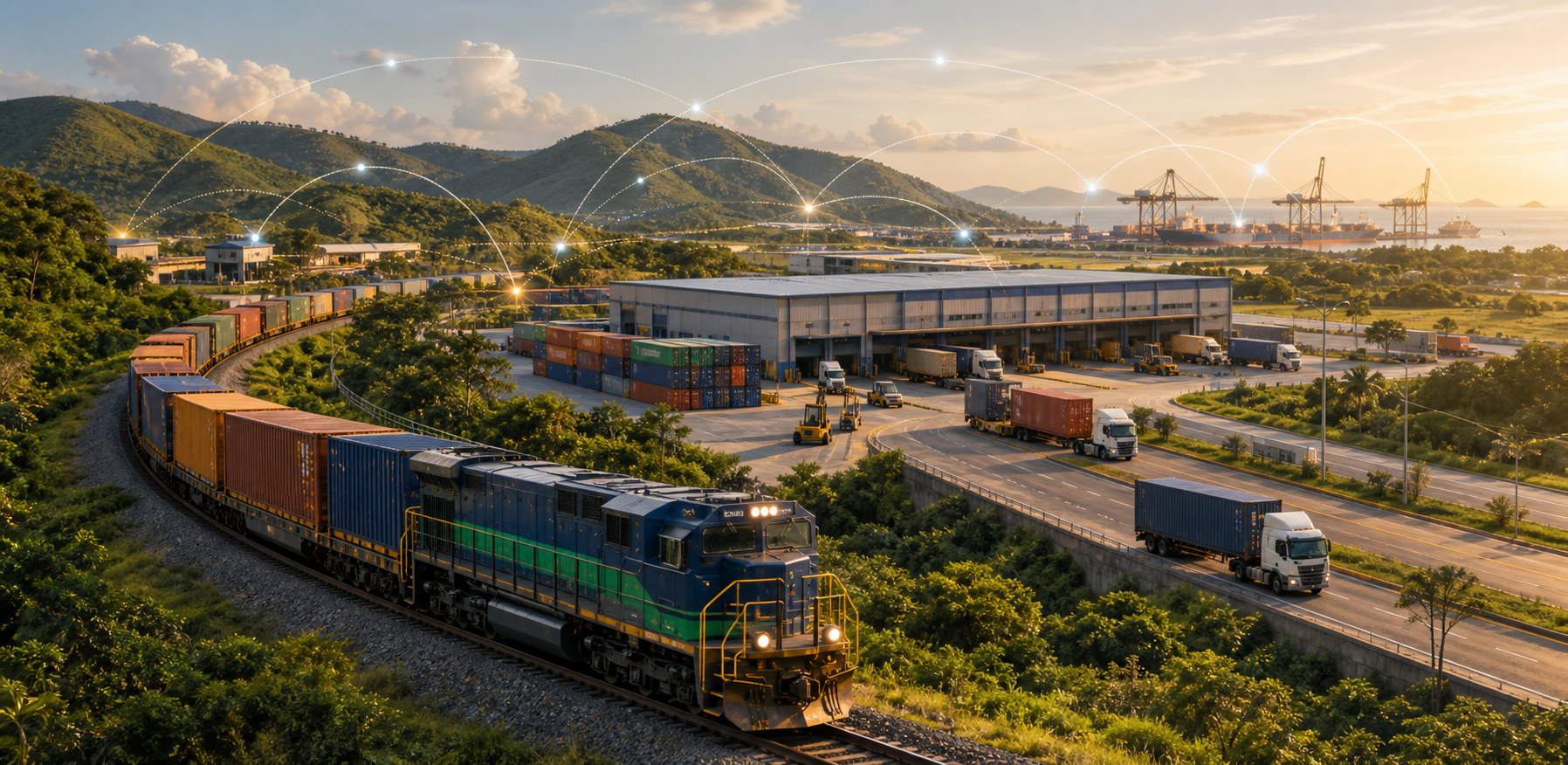




China——Brazil Trajectory Tracking


+86 532-85066033/34






 中文简体
中文简体 ENGLISH
