In 2026, lithium batteries officially surpassed consumer electronics to become the largest dangerous goods category by global trade volume. New energy vehicles, solar energy storage, power tools, and electric bicycles — the explosive growth of downstream markets has driven sustained surging demand for lithium battery exports and related products.
China is the world's largest lithium battery producer and exporter, with production capacity accounting for more than 70% of the global total. Leading companies like CATL, BYD, and CALB not only meet domestic demand but also export at large scale to Europe, the United States, and Southeast Asia. Lithium battery exports have become the hottest细分市场 in the dangerous goods logistics sector.
### 2.1 Qualification Barriers Are the First Hurdle
Lithium batteries belong to Class 9 dangerous goods, and exporting them requires a series of professional qualifications: dangerous goods business license, UN38.3 testing certification, dangerous goods packaging certificates, sea waybill (MDGD)/air waybill (ADGR), exporter's dangerous goods packaging declaration… every aspect has strict regulatory requirements. Freight forwarders without professional teams simply cannot enter this market.
### 2.2 High Operational Risk
There are two things lithium battery transport fears most: thermal runaway and physical damage. Once a fire occurs during transit, not only are all goods lost, but it may also cause major accidents involving aircraft or vessel damage and port facility destruction — the sky-high compensation claims that freight forwarders face could directly lead to business bankruptcy. Therefore, shipping companies and airlines have extremely stringent acceptance standards for lithium batteries, and the consequences of concealment or false declaration are extremely serious.
### 3.1 Ocean Freight: Mainstream Channel, Preferred for Large Volumes
Ocean freight is the primary channel for lithium battery exports, especially suitable for large goods like new energy vehicles and energy storage containers. However, ocean freight conditions are strict: compliant dangerous goods packaging must be used, dangerous goods space is limited, and some routes (such as Middle East) require special approval. Freight rates are relatively stable, but shortages of dangerous goods space during peak season are normal.
### 3.2 Air Freight: Preferred for Time-Sensitive, Small-Batch Shipments
For small batches of time-sensitive goods such as mobile phone batteries, power tool batteries, and small energy storage devices, air freight is the preferred choice. Air freight has strict limits on the State of Charge (SOC) of lithium batteries (generally not exceeding 30%), and there are upper limits on watt-hour (Wh) ratings per package. Air freight dangerous goods specialists must hold IATA DGR qualifications.
### 3.3 Rail Freight: Emerging Channel with Huge Potential
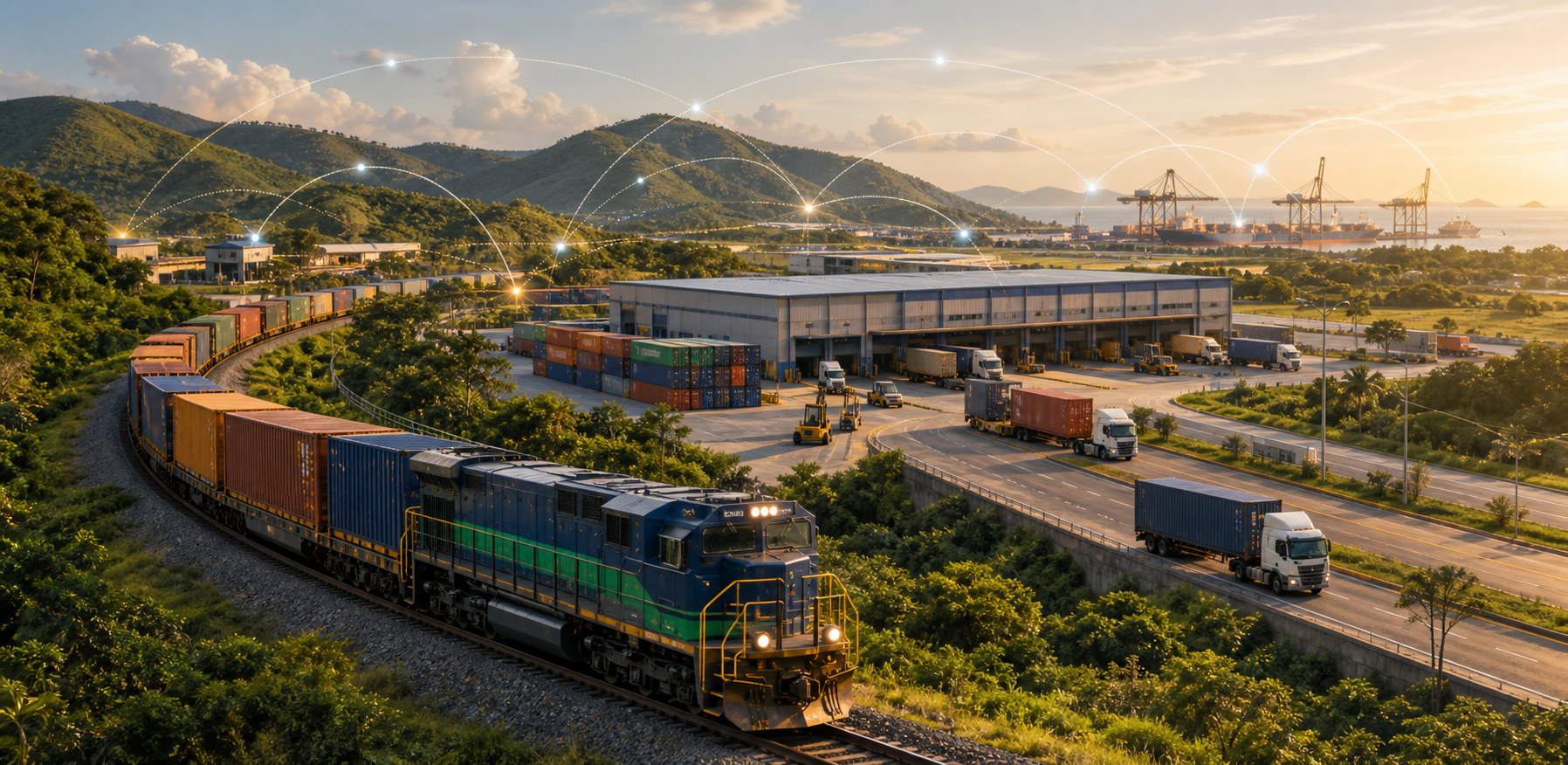
Transporting lithium batteries via China-Europe block trains is becoming a new trend. Compared with ocean freight, China-Europe rail transit is faster (18–20 days vs. 35–40 days by sea); compared with air freight, it is more cost-effective. It is especially suitable for batch deliveries to European new energy vehicle manufacturers and energy storage integrators. However, the number of rail lines and stations currently capable of transporting lithium batteries remains limited, and capacity is tight.
### 4.1 Talent Development Is Key
The most scarce resource in dangerous goods logistics is talent. Compound talents with both chemical engineering backgrounds and international trade knowledge are extremely sought after in the market. Training a qualified ocean freight dangerous goods operator requires 2–3 years of hands-on experience. Freight forwarding companies should establish systematic dangerous goods training programs with planning.
### 4.2 Shipping Line Relationships Determine Space Allocation
Dangerous goods space is in short supply, especially during peak season — only freight forwarders with long-term cooperative relationships can secure priority space allocation. Establishing strategic cooperation with major shipping lines like MSC, CMA CGM, and EMC on dangerous goods routes is the core moat for dangerous goods freight forwarders.
### 4.3 Compliance Is the Lifeline
There is no room for trial and error in dangerous goods logistics. Once an accident occurs, companies face not only financial losses but also potential criminal liability. A comprehensive dangerous goods compliance system — from order review and packaging inspection to accurate declaration and container loading supervision — must strictly enforce regulations at every step. It is better to refuse one order than to take risks.
The lithium battery export boom continues. As global new energy transformation accelerates, lithium battery logistics demand will maintain strong growth. The high barriers to entry, fewer competitors, and stable profit margins in dangerous goods logistics make it an important direction for freight forwarding transformation and upgrading.
For practitioners wanting to enter this field, it is recommended to start with "small batches, specific routes, and specific product categories," then gradually expand after accumulating experience. At the same time, great importance should be attached to building the compliance system — this is the core competitive advantage in dangerous goods logistics.




China——Brazil Trajectory Tracking



+86 532-85066033/34






 中文简体
中文简体 ENGLISH
