At the end of June 2026, the Shanghai Export Container Comprehensive Freight Index (SCFI) closed at 3,239.64 points, rising for the ninth consecutive week, with cumulative gains that were significant. This round of freight rate increases broke the market's prior expectations of "sustained rate declines," giving航运 market participants a renewed sense of tension.
Behind the nine-week surge was not a single-factor drive, but the叠加 of multiple positive factors: seasonal shipping peaks, port congestion, route restructuring due to geopolitical factors, and "rush shipping" behavior by shippers panic-buying ahead of further rate increases. Understanding the true reasons behind this surge is the only way to make more accurate judgments about future trends.
### 2.1 Early Arrival of Seasonal Shipping Peak
The third quarter of each year is the traditional peak season for cross-border e-commerce and export trade, with seasonal demand for Christmas gifts and pre-Easter stocking releasing concentrated. However, the 2026 peak season shipping wave arrived earlier than usual — many shippers, worried about continued freight rate increases, chose to ship ahead, causing peak season effects to already manifest in June. The concentrated surge in cargo volume drove tight capacity and rising freight rates.
### 2.2 Global Port Congestion Returns
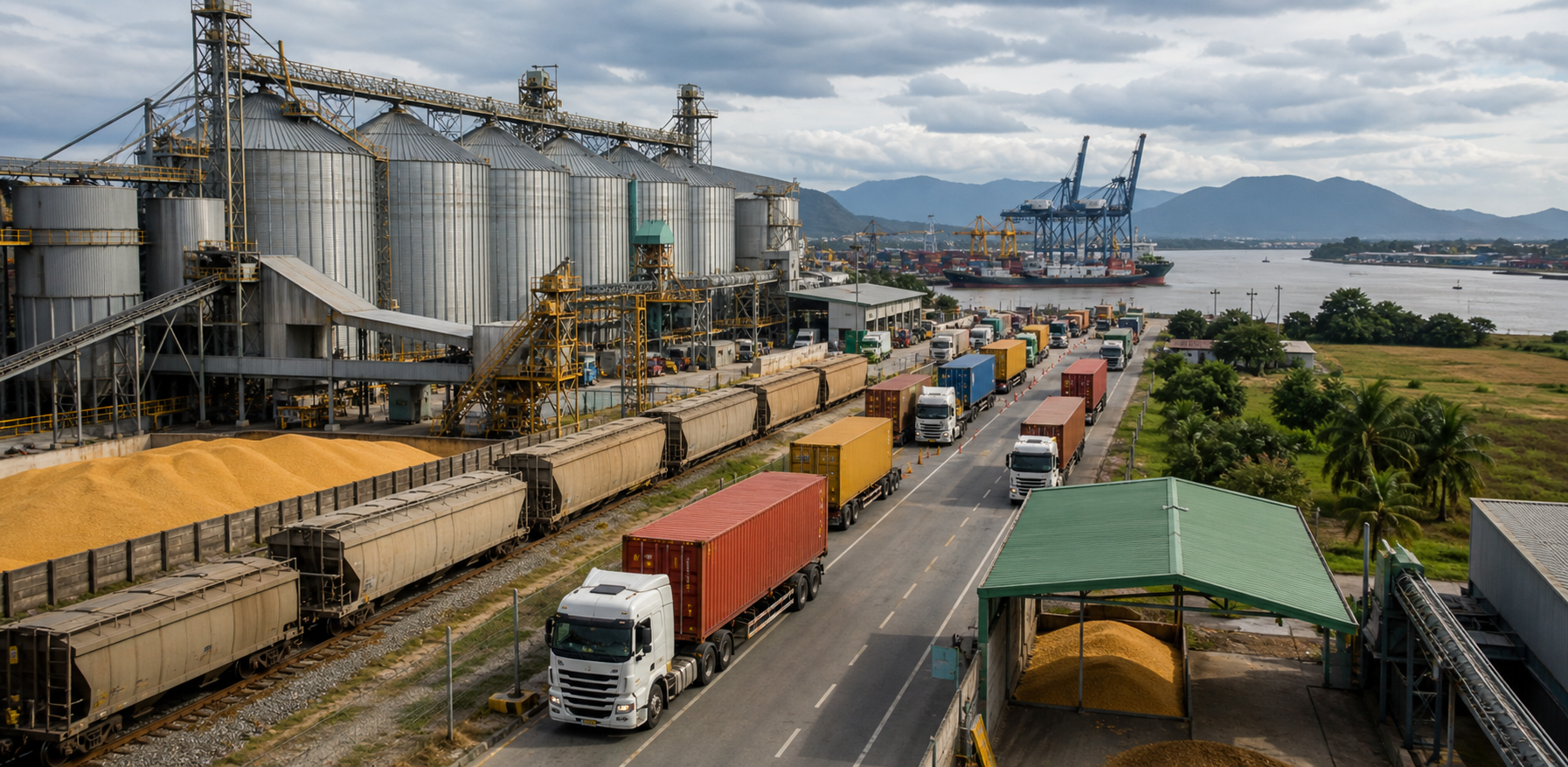
Container port congestion at Singapore Port has reached its highest level since the COVID-19 pandemic, with vessel waiting times extending significantly; average vessel waiting times at some West African ports are approaching 60 days. Port congestion causes actual capacity loss — the same number of vessels can only provide fewer slots, and structural capacity tightness has pushed freight rates higher.
### 2.3 Geopolitical Factors叠加燃油附加费
Leading liner companies including Maersk and CMA CGM successively announced the imposition of temporary bunker adjustment factors (BAF) to cope with fuel cost increases driven by Middle East tensions. The imposition of BAF directly increased operating costs, and liner companies passed these on to the market through freight rates. News of the closure of the Strait of Hormuz further intensified market concerns about supply chain disruptions.
### 3.1 U.S. West Coast: Leading the Entire Market
The U.S. West Coast route has been the "locomotive" of this freight rate surge. SCFI U.S. West Coast freight rates have broken through the $4,000/FEU threshold, with weekly gains consistently leading other routes. Under the shadow of tariff policy uncertainty, U.S. importers tend to ship ahead to avoid risk, forming a "rush shipping wave." Both the magnitude and speed of freight rate increases exceeded market expectations.
### 3.2 Europe Route: High-Level Oscillation
Europe route freight rates oscillate at high levels, with the Europe route breaking through $5,400/FEU. Europe route freight rate increases are mainly driven by the continued impact of the Red Sea crisis — vessels routing around the Cape of Good Hope have extended voyages and reduced slot efficiency, plus peak-season cargo volume growth, maintaining persistent supply-demand tightness.
### 3.3 Southeast Asia Route: Rates Decline
Notably, the Southeast Asia route did not follow this round of price increases — to the contrary, Southeast Asia route freight rates have actually declined. This reflects structural changes in cargo volumes in South China: some lower-priced goods (such as textiles and primary electronic products) have seen shipping volumes decline due to cost pressures, with insufficient cargo volumes to support freight rate increases.
### 4.1 Export Enterprises: Cost Pressure Returns
For export enterprises with already thin profit margins, the nine-week freight rate surge means new cost pressures. For cargo particularly sensitive to freight rates (such as daily necessities and textiles), rising shipping costs may directly erode export profits. Shippers need to re-evaluate cost structures under FOB and CIF terms and reserve sufficient freight rate volatility space in quotes.
### 4.2 Freight Forwarders: Danger and Opportunity Coexist
Freight rate increases are a double-edged sword for forwarders. On one hand, when capacity is tight, forwarders with stable capacity channels are more favored by customers, and customer stickiness actually increases; on the other hand, under the trend of freight rate透明化, forwarders have less room to capture excess profits during freight rate fluctuations. Forwarders who can provide "price-locking" services and help customers manage freight rate risk will gain differentiated advantages.
### 4.3 Liner Companies: Improved Profit Outlook
Freight rate increases directly improved liner companies' profit outlooks. Leading liner companies including Maersk, CMA CGM, and COSCO Shipping successively raised their full-year performance guidance, with stock prices rising notably after freight rate announcements. Improved financial conditions for liner companies also benefit the industry's long-term healthy development.
### 5.1 After the Peak Season, Where Are Freight Rates Headed?
How long this freight rate surge can last is the question most on the minds of all market participants. Optimistic voices believe port congestion is difficult to resolve in the short term, peak-season cargo volumes have support, and freight rates may continue to oscillate upward; cautious voices believe the peak new vessel delivery season will arrive in the second half of 2026, supply pressure will concentrate after the peak season ends, and freight rates may face correction pressure.
### 5.2 Multiple Factors交织
Factors supporting freight rates: Continued peak-season shipping surge, port congestion difficult to resolve in the short term, geopolitical uncertainty continuing to disrupt supply chains, some shipping companies continuing to impose bunker adjustment factors.
Factors suppressing freight rates: Arrival of new vessel delivery peak, slowdown in global economic trade growth, cargo volume growth falling short of expectations, some shippers have completed inventory replenishment.
Comprehensive analysis suggests freight rates may oscillate at high levels in the second half of 2026, with some upward room during peak seasons, but increased correction pressure after the peak season ends. The "rollercoaster" model for freight rates remains the main theme of the shipping market.
1. Conduct proper freight rate risk management. With freight rates fluctuating sharply, large-volume customers are advised to sign long-term contract rates with forwarders to lock in costs and avoid peak-season freight rate volatility impacting their business.
2. Plan shipping schedules in advance. Ship early before peak seasons to avoid concentrating shipments during peak periods — not only is capacity tight and freight rates high, but port congestion may also cause delays.
3. Pay attention to emerging route opportunities. Competition is fierce on U.S. West Coast and Europe main routes; emerging routes such as Southeast Asia, India-Pakistan, and Africa have faster growth rates and relatively less competition, worthy of attention and strategic layout.




China——Brazil Trajectory Tracking


+86 532-85066033/34






 中文简体
中文简体 ENGLISH
