When it comes to European cross-border e-commerce, many feel the market is saturated and the barriers are too high. But the data tells a different story: In 2026, the European e-commerce market exceeds €900 billion, e-commerce penetration continues to rise, and cross-border shopping accounts for more than 25%. Chinese sellers still have significant room to grow their market share in Europe, especially in categories like home goods, 3C accessories, outdoor sports, and pet supplies, where growth momentum remains strong.
The appeal of the European market lies in strong consumer spending power, high average order values, good repeat purchase rates, and generous brand premium potential. However, compliance requirements — including VAT, VAT returns, packaging laws (WEEE/EPR), and product safety certifications — make many small and medium-sized sellers hesitant to enter. High compliance barriers are precisely the opportunity for capable players to build competitive moats.
### 2.1 Germany: Europe's Largest Market with Extremely High Localization Requirements
Germany is Europe's largest e-commerce market, with a size exceeding €120 billion, but it is also the most demanding market — German consumers are quality-conscious, have high return rates, and have strict requirements for local language support. German VAT (19%) is mandatory, and platforms like Amazon already require VAT number submission. In logistics, German consumers prefer local brands like DHL and DPD, with high delivery time expectations.
### 2.2 France: Opportunities in Fashion and Home
The French e-commerce market is worth approximately €90 billion, with fashion, clothing, and home goods as popular categories. French consumers are sensitive to packaging and brand aesthetics, with higher return rates but considerable average order values. French-language localization is a basic requirement for entering the French market. In logistics, Colissimo and Mondial Relay have extensive coverage within France.
### 2.3 Spain and Italy: Fast Growth, Lower Barriers
Spain (approximately €70 billion) and Italy (approximately €50 billion) are Europe's fastest-growing e-commerce markets, with e-commerce penetration still having room to improve — making them suitable for Chinese sellers taking a value-for-money approach. Their VAT compliance requirements are consistent with other EU countries, but the complexity of customs clearance and tax filings is relatively lower, making them good entry points for the European market.
### 2.4 The Netherlands and Belgium: Opportunities at Transit Hubs
Although small, the Netherlands has extremely high e-commerce penetration and is home to the world's major transit ports — Rotterdam Port and Schiphol Airport. For sellers looking to build integrated European warehousing and fulfillment, the Netherlands is the top choice for establishing a European Distribution Center. Antwerp in Belgium is equally an important logistics hub.
### 3.1 The UK Market: A Separate Track After Brexit
The UK has formally left the EU, with import VAT and customs clearance completely independent from the EU system. Goods shipped from China to the UK require separate customs clearance, with VAT declared by the seller or collected by customs. Worth noting is that Royal Mail and Hermes/DPD are the mainstream domestic couriers in the UK, and Amazon FBA is also well-established in the UK.
### 3.2 The EU Single Market: The OSS/IOSS VAT System
Since the EU launched the One-Stop-Shop (OSS) and Import-One-Stop-Shop (IOSS) in 2021, cross-border VAT declarations have been greatly simplified. Sellers only need to register VAT in one EU country to make sales and VAT declarations across all EU countries. IOSS is particularly suitable for low-value goods (not exceeding €150) imports, enabling fast customs clearance.
### 3.3 China-Europe Block Trains: Balancing Speed and Cost
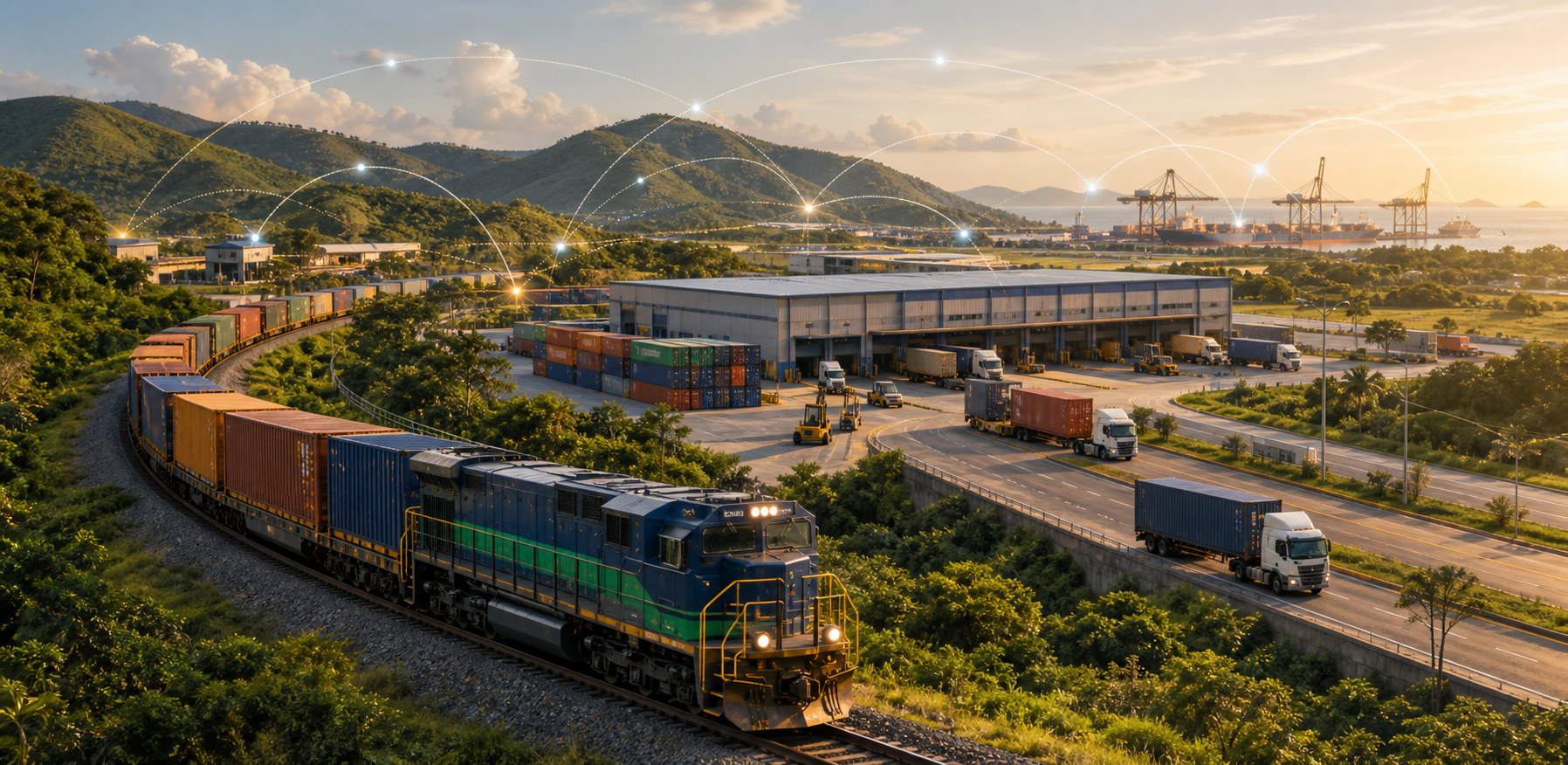
Rail transport is an important channel from China to Europe. Traditional ocean freight takes approximately 35–40 days, China-Europe block trains 18–22 days, and air freight 5–7 days. Rail transit sits between ocean and air in both speed and cost, making it a worthwhile option for sellers with moderate inventory replenishment cycles who do not want to tie up large amounts of capital in stock. Major routes enter the EU via Małaszewicze in Poland and Duisburg in Germany.
### 4.1 Destination Market Fit
Not all logistics providers excel in all countries. Choosing a service provider with local delivery networks and customs clearance capabilities in your target market is more reliable than choosing a "large and comprehensive" international express carrier. For example, when shipping to Germany, choose a logistics provider skilled in German customs clearance and DHL delivery; when shipping to France, partner with someone familiar with the French local network.
### 4.2 Integrated First-Mile and Last-Mile Services
First-mile (from China to Europe) and last-mile (intra-European delivery) are best handled by the same service provider or seamlessly connected, which reduces transfer damage, improves tracking quality, and lowers dispute rates. Logistics providers offering "door-to-door" one-stop services will be the preferred choice for DTC sellers.
### 4.3 Compliance Service Capabilities
VAT compliance, product compliance (CE/WEEE/EPR), and product liability insurance — these compliance services are becoming standard capabilities for logistics providers. Logistics providers capable of offering "logistics + compliance" one-stop solutions have a significant competitive advantage in the European market.
First, prioritize target countries. The European market is too large to conquer all at once. Choose 1–2 key countries for deep local network development, then gradually expand to more countries.
Second, compliance comes first. Before entering the European market, be sure to resolve VAT and product compliance issues. Without compliance, goods can be seized and customs clearance delayed at any time — the losses would outweigh any gains.
Third, choose logistics providers with European special-line products. Logistics providers specializing in European routes have more experience in customs clearance, warehousing, and delivery networks, offering better pricing and service advantages compared to generalized international express carriers.




China——Brazil Trajectory Tracking



+86 532-85066033/34






 中文简体
中文简体 ENGLISH
