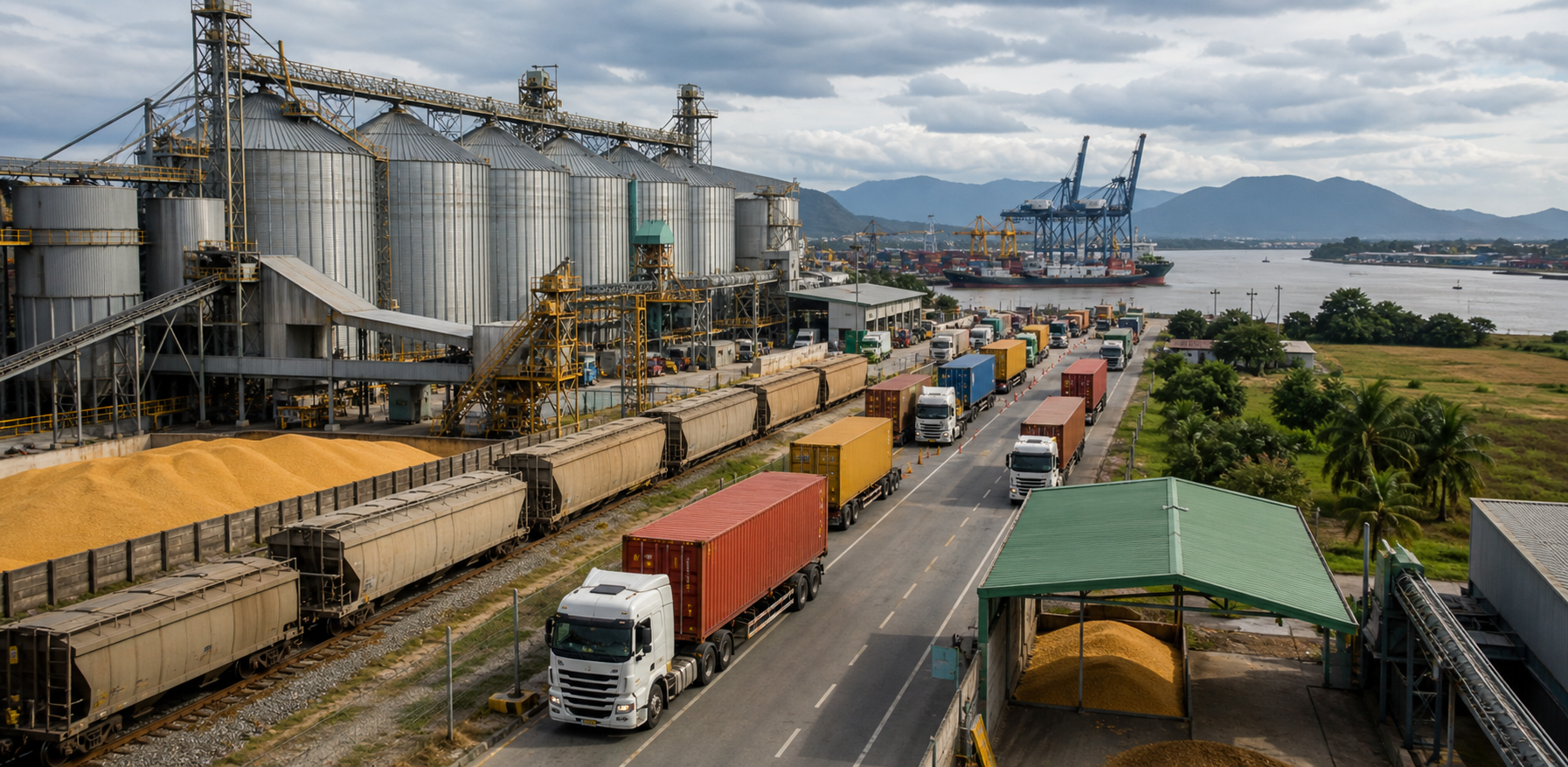
In mid-2026, congestion began resurfacing at major ports worldwide. Average vessel waiting times at Singapore, Busan, and Los Angeles ports continued to climb, with some voyages experiencing extended delays. The causes of the congestion are complex: route restructuring due to the Red Sea crisis, seasonal cargo volume rebound, and port infrastructure capacity mismatches — multiple factors combined have brought port congestion, dormant for two years, roaring back.
This differs from the 2021 supply chain crisis — that one stemmed from pandemic-induced production halts and a surge in consumer demand; this time, supply-side issues are more pronounced: crew shortages, low port efficiency, rail inland transportation bottlenecks, and geopolitical route distortions have tied up what should be an efficient global logistics network once again.
### 2.1 Singapore Port: The Sweet Burden of the World's Busiest Port
Singapore Port is the core anchor of the global transshipment hub, serving as a critical interchange for East-West trade routes. In 2026, Singapore Port's container throughput hit a new record high, with transshipment accounting for over 85%. However, this highly concentrated transshipment function also means extremely low port resilience — when faced with adverse weather or internal operational delays, the large number of vessels waiting for connections accumulate rapidly, creating a vicious cycle where "the busier the port, the lower the efficiency."
### 2.2 Busan Port: The China Variable at the Korea-Japan Transshipment Hub
Busan Port is the transshipment center of Northeast Asia, handling large volumes of Korean import/export cargo as well as transshipment goods from northern Chinese ports. In recent years, Busan Port has faced direct competition from Chinese ports (Shanghai, Ningbo, Shenzhen) — as Chinese port efficiency and service quality have improved, some cargo originally transshipped through Busan has begun opting for direct export. While Busan Port strives to maintain its transshipment status, it is also strengthening coordination with Japanese ports.
### 2.3 Los Angeles Port: Self-Fulfilling Peak Season Expectations
Each year, North American retailers begin stocking up for the Christmas peak season ahead of time at the end of Q3. Los Angeles Port, as the largest U.S. import gateway, has always been a bellwether for peak season congestion. The peak season outlook for 2026 was stronger than previous years — merchants widely worried about the Red Sea crisis intensifying and freight rates continuing to rise, so they shipped early, which in turn caused pre-peak season capacity tightness. The number of vessels waiting at port broke through 50 ships as early as August.
### 3.1 In-Transit Inventory Costs Soar
The longer goods wait at port, the higher the in-transit inventory costs borne by both shippers and consignees. Storage fees, demurrage, and detention charges stack up, adding $200–500 in hidden costs per TEU. For low-margin general cargo, this extra cost can easily wipe out an entire shipment's profit.
### 3.2 Supply Chain Visibility Becomes a Challenge
Vessel delays, port waits, berth assignments — uncertainty at each link transmits through the entire supply chain. Buyers don't know when their goods will arrive, sellers don't know when vessels will depart, and logistics providers are exhausted from handling sudden changes. Supply chain "visibility" is further weakened amid the chaos.
### 3.3 Cross-Border Sellers in a Race Against Time
For Amazon FBA sellers, port congestion is a sword hanging over their heads. FBA warehouses have strict delivery window requirements — missing the window means reduced storage capacity, ranking drops, and ruined peak season sales plans. Whether a logistics provider can offer reliable pre-stocking plans and contingency routes has become a key criterion for sellers choosing a freight forwarder.
### 4.1 Carrier Capacity Management
Leading carriers are proactively reducing capacity through "blank sailings," attempting to stabilize freight rates on the supply side. But capacity reduction is a double-edged sword — short-term it can support rates, but medium to long-term it may drive customers to competitors.
### 4.2 Freight Forwarders' Route Design Capability
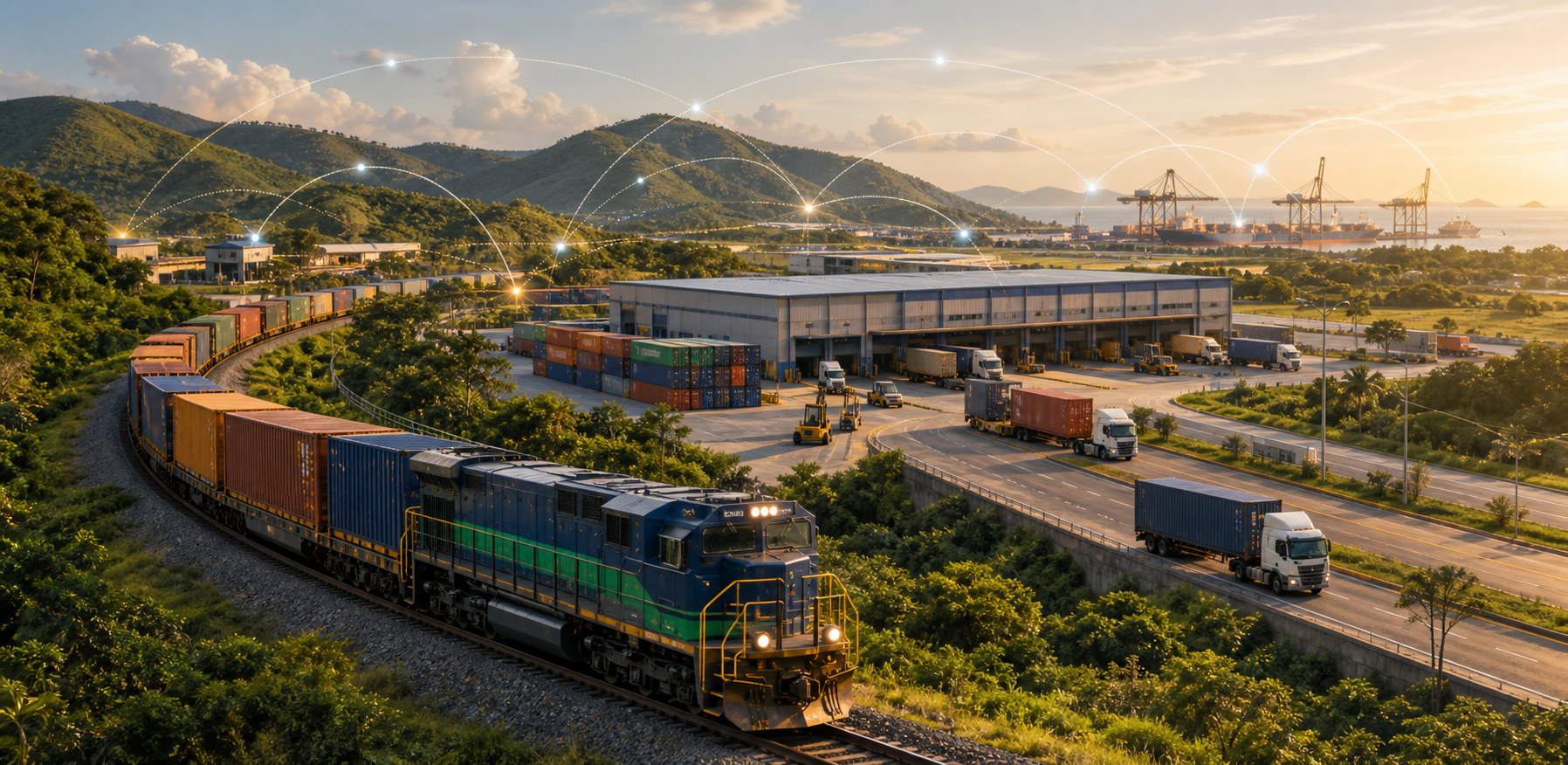
Experienced freight forwarders have begun designing more flexible routes for clients: if U.S. West Coast is congested, switch to U.S. East Coast (Panama Canal or Gulf of Mexico route); if ocean freight is congested, combine with rail or air freight; lock in space for critical cargo ahead of time. Freight forwarders who can offer a "combination punch" stand out in this period.
### 4.3 Shippers' Multi-Port Shipping Strategy
Large shippers have begun implementing a "multi-port shipping" strategy: no longer relying on a single port, but booking space at multiple ports simultaneously, and shipping whichever lot can berth first. This strategy increases costs and management complexity, but effectively reduces dependency on any single node.
First, enhance forecasting capabilities. Paying attention to port congestion indices, vessel waiting data, and cargo volume forecasts, and proactively planning shipping windows for clients, reflects the professional value of a freight forwarder.
Second, build contingency plans. Planning alternative routes (alternative ports, alternative shipping lines) in advance; when the primary route is blocked, switching immediately greatly improves customer experience.
Third, strengthen digital capabilities. Logistics SaaS systems, real-time tracking platforms, and intelligent matching tools — these digital capabilities are key for freight forwarders to improve efficiency and reduce costs during periods of disruption.




China——Brazil Trajectory Tracking


+86 532-85066033/34






 中文简体
中文简体 ENGLISH
