Current Status and Surface-Level Analysis of Freight Rate Escalation
In Q2 2026, container freight rates on global major trade routes continued their upward trajectory. The Shanghai Containerized Freight Index (SCFI) composite index reported above 3,800 points in the first week of June, representing an increase of approximately 35% compared to the same period in 2025, with freight rates on both U.S. and Europe main routes maintaining historically high ranges. Multiple mainstream shipping companies相继 announced peak season surcharge collection plans, further amplifying market expectations.
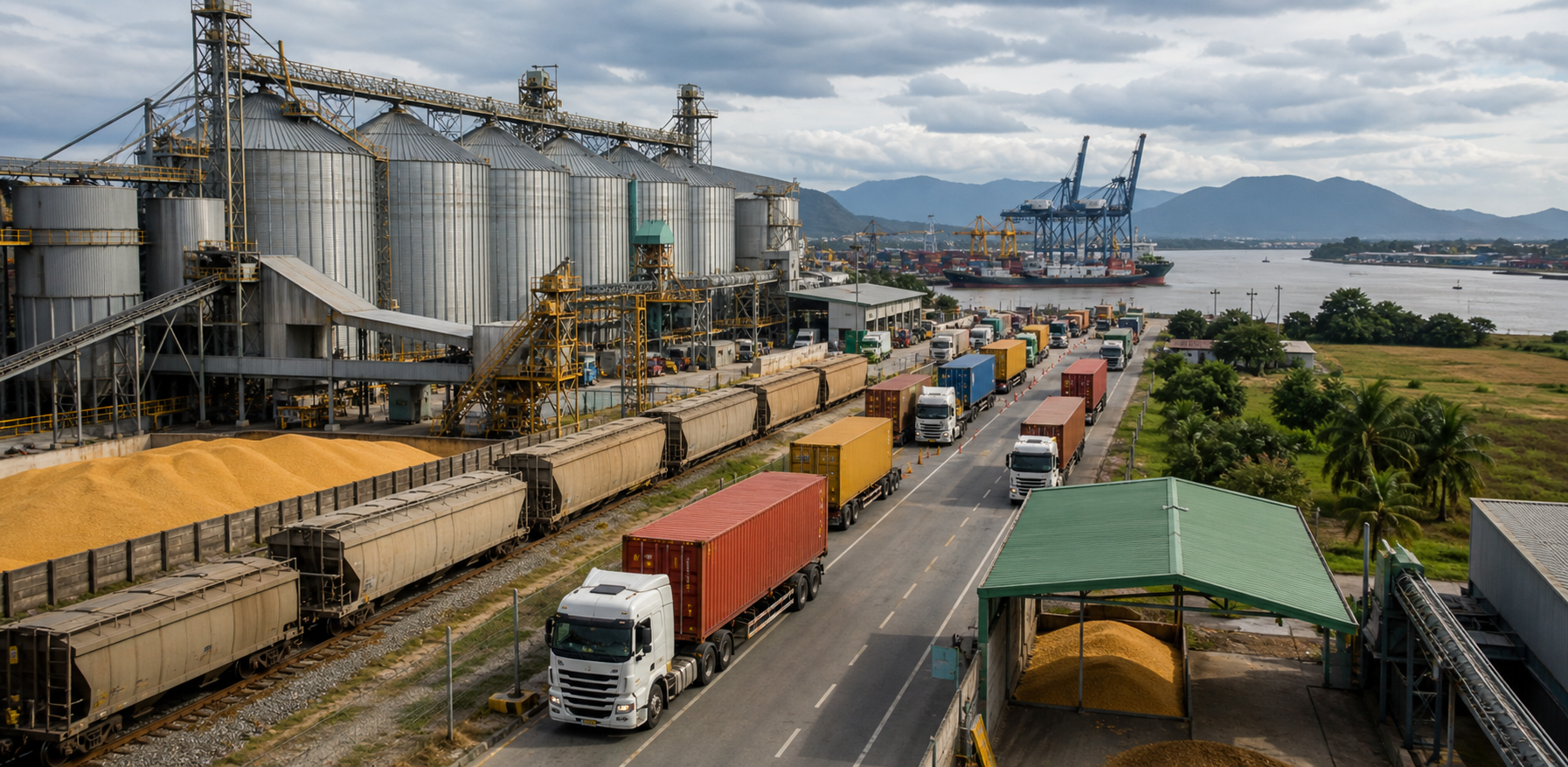
From the freight rate structure perspective, the current global shipping market exhibits distinct segmentation characteristics: the Red Sea crisis continues to cause Asia-Europe routes to bypass the Cape of Good Hope, with increased voyage distances maintaining high freight rates; Panama Canal drought has reduced transit efficiency on China-U.S. routes, lowering vessel周转率; South America routes have seen intensified space tightness driven by the Brazilian agricultural export season. In contrast, intra-Asia routes have relatively stable freight rates with significantly lower volatility than ocean main lanes.
This round of freight rate increases differs fundamentally from the super-cycle of 2021-2022. That previous rally was primarily driven by extreme demand surges, while current high freight rates stem more from supply-side structural contractions and the normalization of geopolitical risks叠加.
Deep Logic: Why Freight Rates Cannot Decline Rapidly
Understanding current container freight rate trends requires systematic analysis from both supply and demand perspectives.
Rigid Constraints on the Supply Side
Although the global container fleet size is still growing, the growth rate has significantly slowed. According to mainstream机构 forecasts, total new vessel deliveries in 2026 are expected to be approximately 450,000 to 500,000 TEU, noticeably reduced compared to the previous two years, and the newly added运力 is primarily absorbed by the extra shipping capacity consumption from Red Sea route diversions. More importantly, the scrapping speed of old vessels has fallen below expectations—in a high freight rate market environment, ship owners倾向于继续 operating aging vessels, further tightening market capacity supply.
The decline in vessel周转效率 is another critical factor. Cape of Good Hope diversions have increased Asia-Europe route 单程 transit time by approximately 10-14 days, equivalent to a reduction of approximately 15% in available effective capacity under the same fleet scale. Panama Canal congestion has similarly extended vessel周转时间. This supply-side hidden contraction cannot be quickly compensated through new vessel deliveries in the short term.
Structural Changes on the Demand Side
Total global trade volume has not experienced significant contraction. Although global economic growth slowed in 2026, China's export trade volume has maintained growth momentum, particularly in new energy products, consumer electronics, and high-end equipment manufacturing sectors, which structurally drives transportation demand for high-value container cargo.
Furthermore, the continued growth of cross-border e-commerce is reshaping the container cargo capacity demand structure. While the increase in direct-mail parcels has compressed traditional consolidated shipping volumes, the fragmentation characteristics of e-commerce inventory stocking have made more goods需要通过海运拼箱方式出运, which to some extent increases dependence on container capacity.
Cost Accumulation from Geopolitical Risks
The long-term normalization of the Red Sea crisis is a factor easily underestimated. Since Houthi forces launched attacks in Red Sea waters in early 2024, mainstream shipping companies have progressively announced detours via the Cape of Good Hope, with Asia-Europe route distance increases pushing up per-TEU transportation costs. According to calculations, Red Sea route diversions consume additional capacity equivalent to approximately 30-40 ultra-large container ships' annual shipping capacity each year.
This cost increase from geopolitical risks is not cyclical but structural. Even if the Red Sea situation eases, shipping companies需要一定的准备时间 to restore original routes, and market freight rates cannot return to pre-2019 low levels in the short term.
Value Remolding for Freight Forwarding Enterprises
A high freight rate market environment is a double-edged sword for freight forwarding enterprises. On one hand, high freight rates compress freight forwarder profit margins, with frequent customer inquiries but declining transaction conversion rates; on the other hand, the complex market environment also highlights the value of professional freight forwarding services, giving quality enterprises opportunities to gain greater market share through service capabilities.
1. Freight Rate Analysis and Price-Locking Strategies
Professional freight forwarding service enterprises need to establish freight rate analysis capabilities to help customers lock in freight rates at appropriate times. This requires not only关注即时市场走势 but also comprehensive analysis of multiple dimensions including shipping companies' route planning, new vessel delivery schedules, and freight forwarding price negotiation cycles. Freight forwarding enterprises equipped with these capabilities can provide differentiated services to customers, helping them achieve shipping cost optimization.
2. Space Guarantee and Flexible Allocation
In a space-constrained market environment, the primary value of freight forwarding enterprises is ensuring customers' basic space needs. Freight forwarders maintaining strategic partnerships with mainstream shipping companies can obtain relatively stable space quotas, providing customers with priority shipping channels during peak seasons. This space guarantee capability is a core advantage that small and medium freight forwarders cannot replicate.
3. Diversified Channel Integration
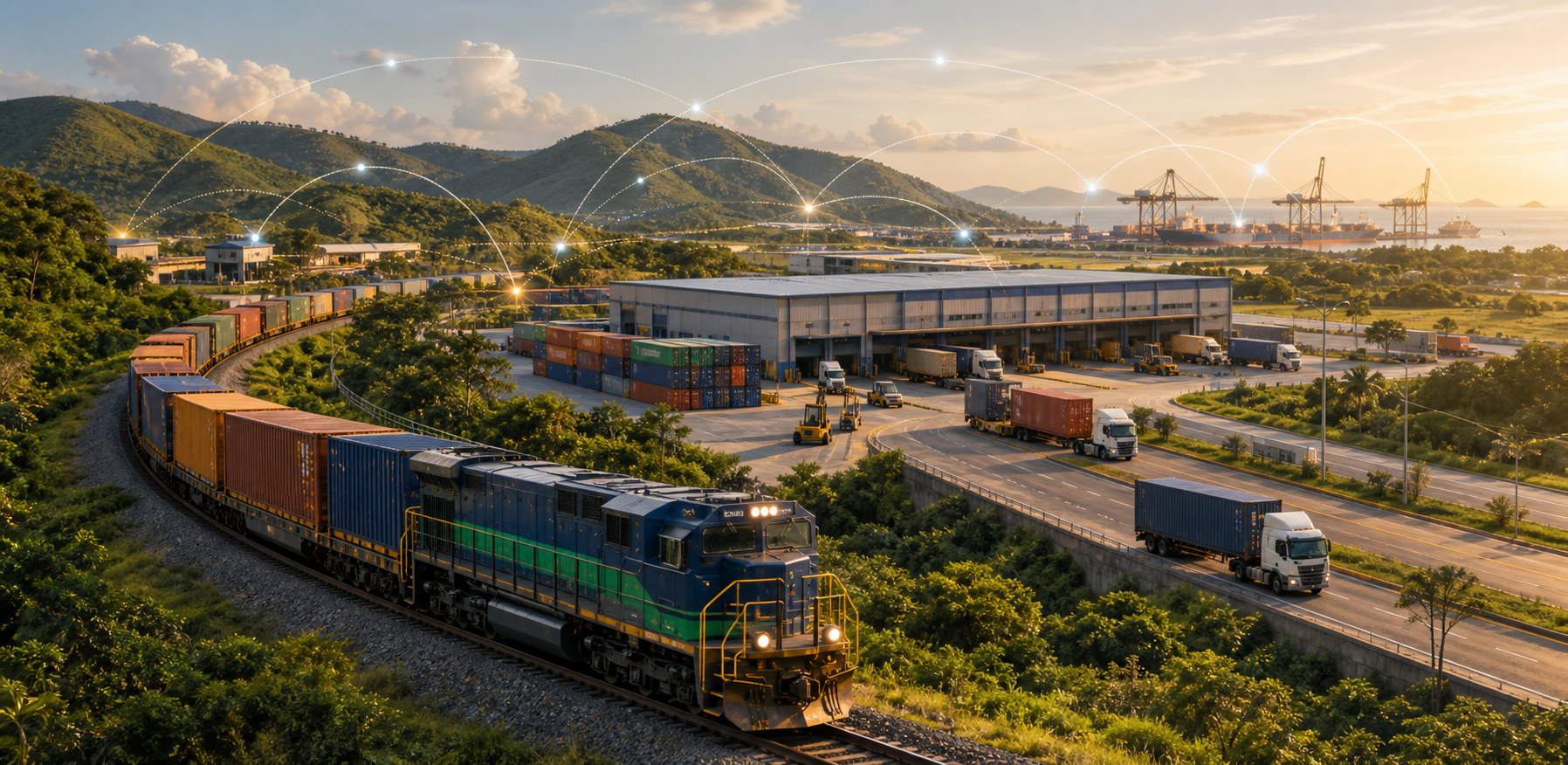
Faced with bottlenecks on single maritime channels, freight forwarding enterprises need capabilities to integrate multiple transportation channels. China-Europe block trains continue to凸显 their importance as Asia-Europe land transportation channels, air freight channels play key roles in urgent replenishment scenarios, and flexible combinations of multimodal transportation methods such as sea-rail intermodal and river-sea intermodal can provide customers with more cost-advantageous transportation solutions.
4. Digital Tool Empowerment
The value of digital tools is even more pronounced in a volatile freight rate market. Online freight rate inquiries, real-time cargo tracking, and online booking digital services enhance customer experience, while data analysis-based intelligent recommendations help customers better seize market opportunities. Digital capabilities of freight forwarding enterprises are becoming an important consideration for customers when selecting partners.
Practical Recommendations for Shipper Enterprises
Faced with persistently high freight rate environments, Chinese import-export enterprises need to optimize logistics strategies from both strategic and tactical perspectives.
Strategic Level: Building Resilient Supply Chains
Incorporate shipping cost optimization into supply chain strategic planning, establish diversified logistics service provider portfolios, and avoid over-dependence on single freight forwarders or shipping companies. Evaluate maritime alternatives for key materials, appropriately deploy overseas warehouses when conditions permit, and pre-position partial inventory in destination markets to address dual uncertainties from freight rate fluctuations and transit time variability.
Tactical Level: Flexible Response to Market Fluctuations
Pay attention to seasonal market patterns, pre-arrange annual capacity contracts during traditional off-peak seasons (March-April and October-November each year) to lock in relatively favorable freight rates. Strengthen communication with freight forwarding service teams, promptly obtain market dynamic information, and ship in advance before space tightness intensifies, avoiding passive situations caused by concentrated peak-season shipments.
Market Outlook and Industry Structure Evolution
The current high freight rate environment is expected to receive阶段性 relief in the second half of 2026, but the possibility of a significant drop to previous low levels is low. If the Red Sea situation substantially eases, Asia-Europe route freight rates有望显著回调; if Panama Canal capacity recovers, Pacific route freight rate pressure will lessen. However, a new peak of运力投放 will arrive in 2027-2028, when the market may face new supply-demand equilibrium adjustments.
From the industry structure perspective, high freight rates are accelerating differentiation within the freight forwarding industry. Head freight forwarding enterprises with scale advantages, network coverage, and digital capabilities will occupy larger market shares, while small and medium freight forwarders with single service capabilities and weak risk resistance face greater生存压力. Industry concentration in freight forwarding is expected to further increase.
Trends and Outlook
Looking ahead, global container freight rates will find a new equilibrium point in the process of supply-demand rebalancing. Geopolitical risks, climate change impacts, and trade pattern restructuring will become key variables shaping medium-to-long-term freight rate trends.
For shipper enterprises, building more flexible supply chain systems, selecting quality international logistics partners, and improving digital standards in logistics management will be core strategies for addressing market uncertainty. For freight forwarding enterprises, honing service capabilities in volatile markets and helping customers achieve shipping cost optimization will be the key paths to securing long-term competitive advantages.
The value of professional freight forwarding services has never lain in rock-bottom freight forwarding prices, but in creating certainty for customers amid complex market environments. Only enterprises equipped with this capability can stand out in the upcoming industry integration.




China——Brazil Trajectory Tracking



+86 532-85066033/34






 中文简体
中文简体 ENGLISH
