Introduction
June 2026 saw global port congestion become one of the most severe challenges for the international logistics industry. Singapore Port backlog exceeded 450,000 TEU with 7-day berthing delays; Santos Port faced strike risks; and Panama Canal water level fluctuations reduced transit efficiency—this congestion is not merely an occasional event but a concentrated eruption of deep contradictions in global supply chains.
For freight forwarding service providers, trading companies, and logistics managers, understanding the structural causes of global port congestion and exploring solutions are prerequisites for developing transport cost optimization strategies.
1. Panoramic View of Global Port Congestion
1.1 Singapore Port: Hub Vulnerability
Singapore Port's 450,000 TEU backlog broke records set during the pandemic. The roots of congestion include:
- Surge in Asia-Europe route cargo volumes exceeding design throughput capacity
- Liner companies adjusting port call strategies, concentrating volumes in Singapore
- Declining周转 efficiency for supporting resources such as trailers and yards
1.2 Santos Port: Strike and Seasonal Pressure
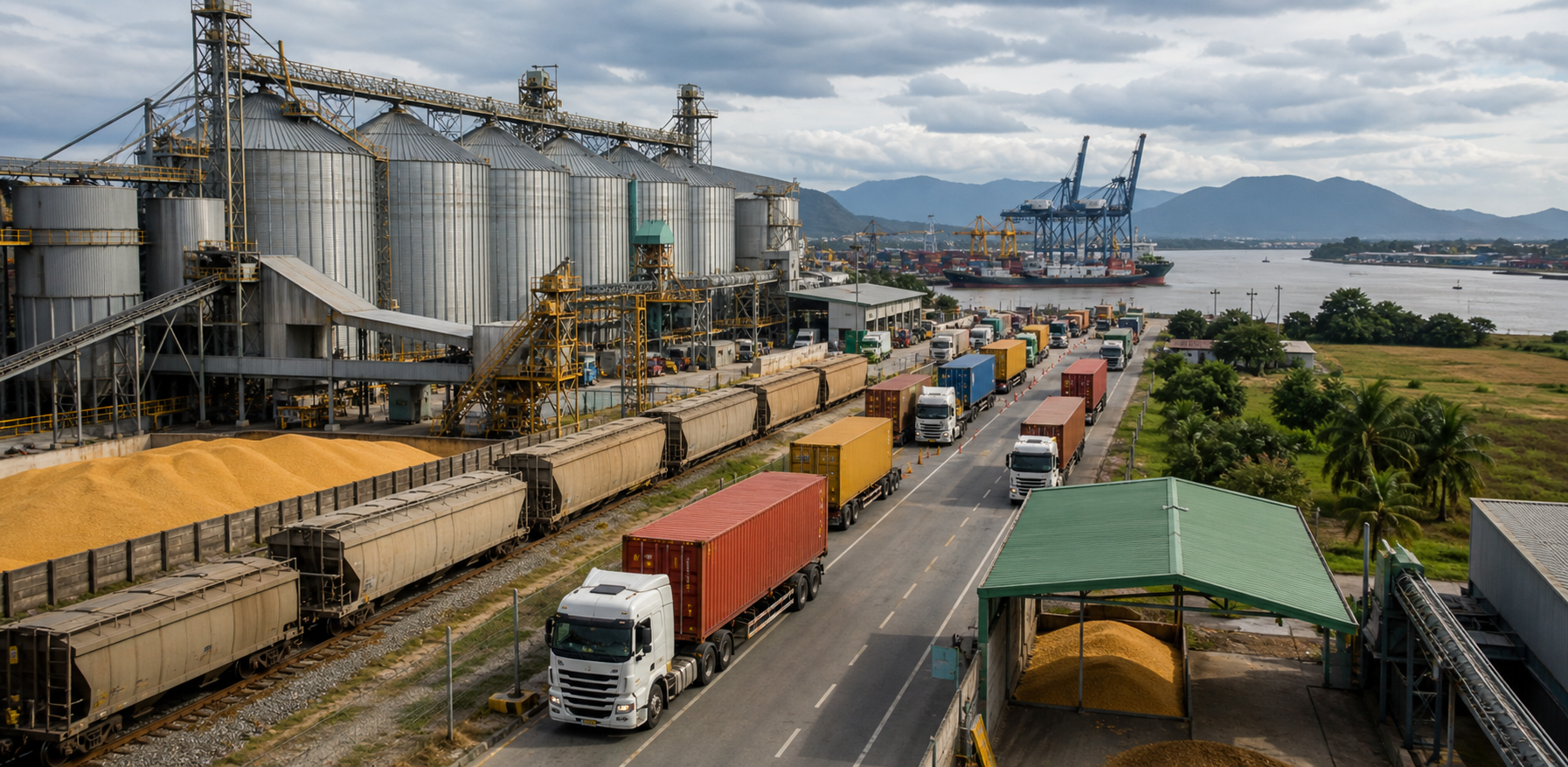
Coinciding with peak Brazilian soybean export season, Santos Port unions issued strike warnings. If strikes continue, Brazilian agricultural exports will suffer major impacts.
1.3 Panama Canal: The Contradiction Between Water Levels and Transit Volumes
The late arrival of rainy season pushed Lake Gatun water levels below historical averages, with vessel draft restrictions forcing large vessels to lighten their loads.
2. Deep Causes of the Structural Dilemma
2.1 The Cost of Prioritizing Globalization Efficiency
Over the past three decades, global supply chains pursued "efficiency first"—low inventory, just-in-time (JIT), single sourcing. This model is cost-optimal in stable periods but extremely vulnerable to shocks.
2.2 The Hysteresis of Port Investment
Port infrastructure investment cycles are long and capital-intensive, making rapid response to demand changes difficult. The essence of global port congestion is the contradiction between rapid demand-side changes and rigid supply-side constraints.
2.3 The Stacking Effect of Geopolitical Factors
Strait of Hormuz crisis, Singapore Port congestion, and Panama Canal water level declines occurring simultaneously formed a "perfect storm."
3. Pathways to Resolution
3.1 Multi-Port Diversion Strategy
Freight forwarding service providers should help clients establish multi-port diversion plans:
- Southeast Asia exports: Tanjung Pelepas Port and Port Klang as Singapore alternatives
- Brazil exports: Paranaguá Port and Itacoatiara Port as Santos Port alternatives
- Americas routes: Comprehensive cost-benefit evaluation of Panama Canal versus Cape of Good Hope routes
3.2 The Alternative Value of Multimodal Transport
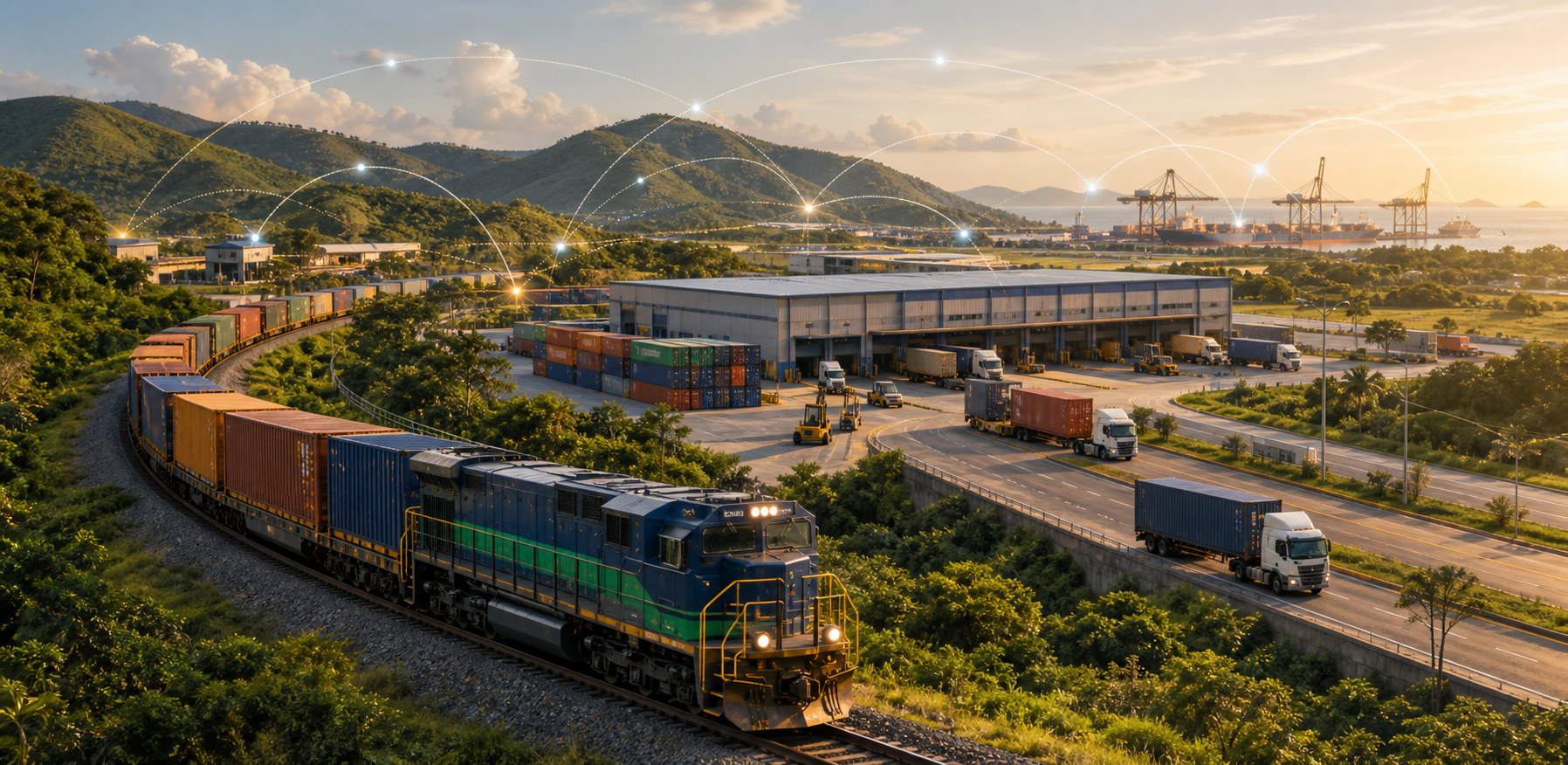
China-Europe freight trains played an important diverting role amid global port congestion. Although railway rates are 25%-40% higher than shipping, transit times are stable and unaffected by port congestion.
3.3 Digital Tracking and Coordination
Leading international logistics enterprises are deploying AI-driven port congestion prediction systems that provide 72-hour advance warnings of potential delays, helping logistics managers adjust shipping plans.
4. Trend Outlook
Global port congestion will not be a short-term phenomenon. Against a backdrop of global trade pattern restructuring, sustained geopolitical risks, and increasingly frequent extreme weather events, the international logistics industry needs to accept "congestion as the new normal."
For freight forwarding service providers, the transformation from "capacity brokerage" to "solution design" is the path to victory. For trading companies, building more resilient supply chains will become a core competitive advantage.
---
Keywords: global port congestion (6), international logistics (5), freight forwarding (4), trading companies (3), transport cost optimization (3), logistics managers (3), Singapore Port (2), Santos Port (2), Brazil (2), multimodal transport (2)
Word count: ~1,700 words




China——Brazil Trajectory Tracking


+86 532-85066033/34






 中文简体
中文简体 ENGLISH
