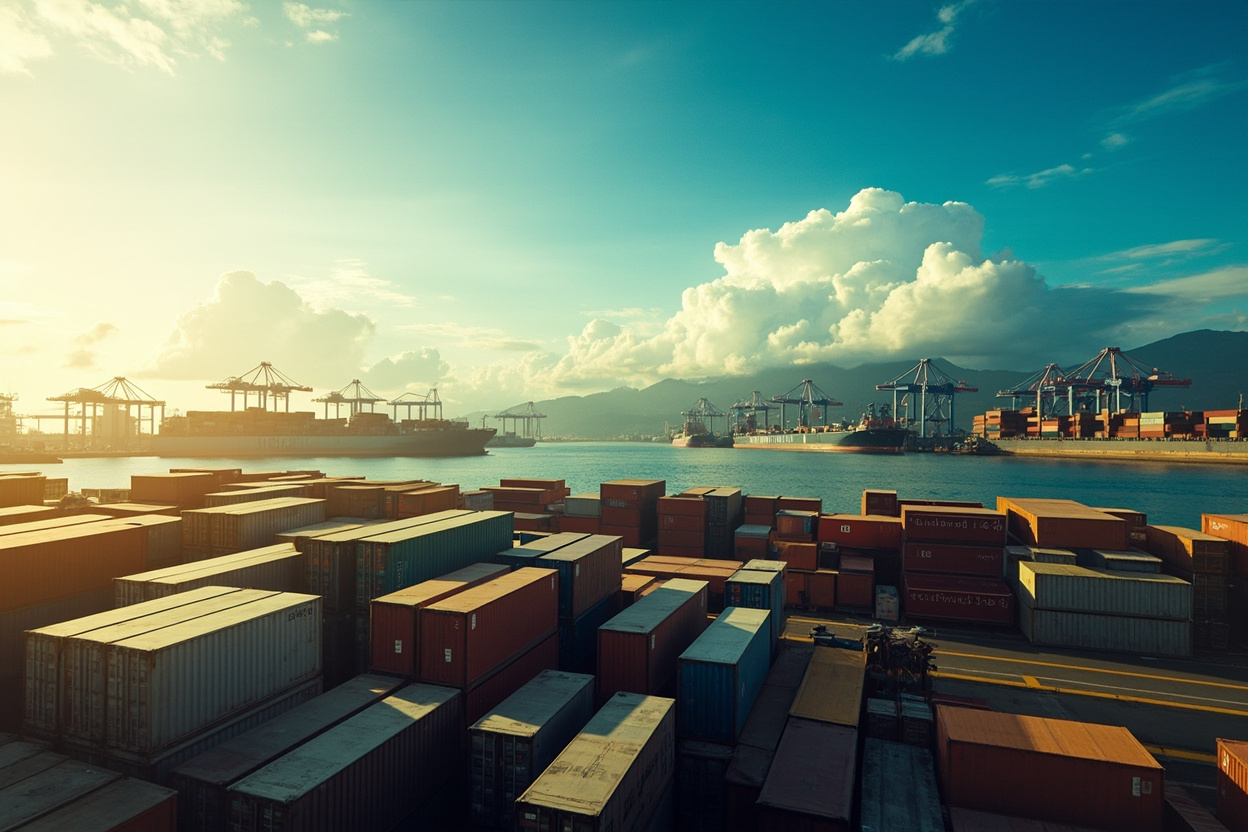
According to the EAX index published by Mexico's Eternity Group, ocean freight rates on Asia-Mexico and South America West Coast routes rose 34% year-over-year in February 2026. Behind this significant increase lies the compounding effect of multiple structural factors. This article systematically analyzes the core drivers behind the surge in South America route freight volume from dimensions including macroeconomic trends, trade structure, and supply chain bottlenecks, while providing practical and actionable recommendations for freight forwarding companies and foreign trade practitioners.
In early 2026, the South America route became one of the most closely watched segments in the international logistics market. Container freight rates from Asia to the South America West Coast accumulated涨幅 exceeding 34% within just two months, far exceeding not only last year's levels but also significantly surpassing the growth rates of comparable European and North America routes during the same period.
This round of growth is not a brief fluctuation. From the perspective of freight volume, throughput at Brazil's Santos Port, Peru's Callao Port, and Mexico's Manzanillo Port all showed noticeable improvement, and the South America West Coast route has even emerged as a new growth hotspot. The simultaneous rise in freight rates and freight volume confirms that this is not a flash in the pan driven by a single factor, but rather structural demand driving market repricing.
For freight forwarding companies, this represents both cost pressure and a strategic window for laying out the South America market.
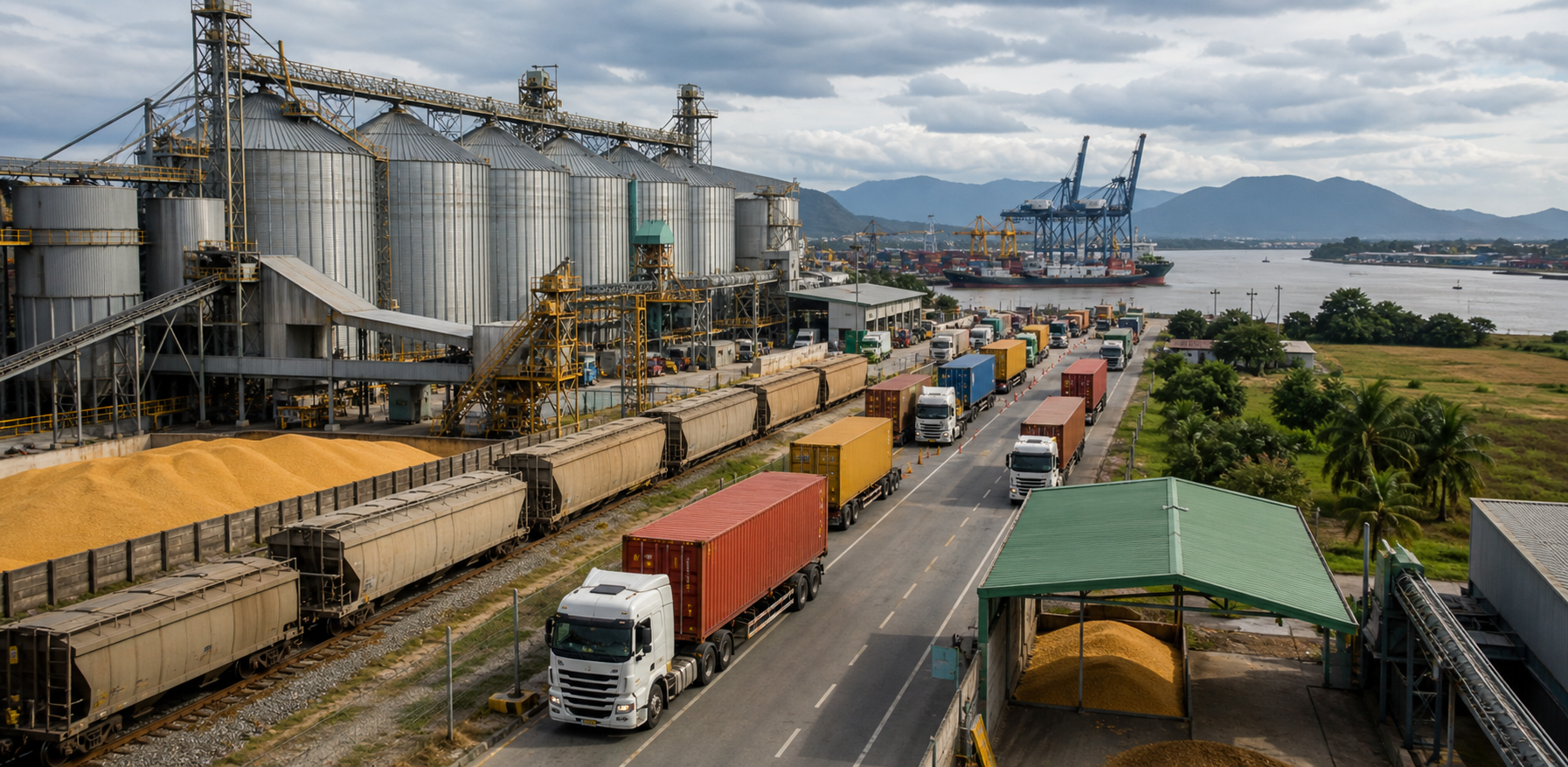
As the world's largest soybean and corn exporter, Brazil's agricultural export rhythm directly affects the dynamics of the international shipping market. In 2026, Brazilian soybean production reached a new historical record, and corn exports maintained strong momentum.
The soybean export window is typically concentrated between March and August each year, coinciding with the peak harvest and shipment season in South America's main producing regions. Large numbers of bulk carriers and container vessels converge on Brazil's major ports, leading to significant increases in port congestion and vessel queue waiting times. Santos Port, as Latin America's largest container port, bears the brunt of this shipping pressure.
As the largest buyer of Brazilian soybeans, China continues to expand import volumes, driving sustained tension in Brazil's north-south shipping routes (especially routes via Santos and Tubarão ports).
In recent years, economic and trade relations between China and Latin America have deepened continuously. China has maintained its position as the largest trading partner of major South American countries including Brazil, Chile, and Peru for multiple consecutive years.
The sustained growth in bilateral trade volume has brought stable and substantial cargo sources. From electronics and machinery to textiles, China's export product categories to South America are increasingly diverse; while in return containers from South America, the proportion of commodities such as soybeans, iron ore, and lithium ore continues to rise.
This two-way trade prosperity has reduced the return empty container rate on South America routes, improving overall route economics, and naturally leading liner companies to increase capacity investment on South America routes.
Traditionally, Atlantic routes (via the Panama Canal or around the Cape of Good Hope) have been the primary channels for Asia-South America cargo. However, with improvements in Pacific route infrastructure and enhanced Panama Canal transit efficiency, the South America West Coast route has gradually emerged as a new growth hotspot.
Mexico has become increasingly prominent as a hub connecting the North American Free Trade Zone with Asia. A large number of Chinese companies have established production bases in Mexico, leveraging USMCA tariff incentives to ship finished products to the North American market. This "roundabout export" model has driven up freight demand on Asia-Mexico routes.
Pacific Rim countries such as Peru and Chile have also maintained growth momentum in trade with Asia, further diverting capacity from traditional routes.
Even with structural growth on the demand side, the supply chain's bearing capacity determines the magnitude of freight rate fluctuations. In 2026, congestion at Brazil's major ports remains severe.
Santos Port's container berth utilization has long been at high levels, with average vessel waiting times significantly above normal. Port handling efficiency is constrained by aging infrastructure and insufficient automation, generally extending vessel port stays. This supply-side bottleneck further amplifies the price pressure brought by demand growth.
At the same time, the Panama Canal's navigation restrictions during dry seasons, and the increased costs of Cape of Good Hope routing, have all contributed to varying degrees of increases in the comprehensive transport cost of Asia-South America routes.
Sharp freight rate fluctuations directly compress freight forwarding companies' profit margins. Forwarders that previously relied on fixed-quotation models for South America route operations face quote invalidation and customer loss risks due to frequent freight rate adjustments.
At the same time, tight space availability makes booking significantly more difficult. Freight forwarding companies need to build differentiated advantages in space acquisition capabilities, route optimization solutions, and comprehensive logistics services to stand out in competition.
Rising freight rates mean increasing logistics costs, which in turn affect the landed prices and export competitiveness of goods. Import-export companies need to reassess their South America market pricing strategies and flexibly adjust shipping schedules to reduce per-shipment logistics costs.
Additionally, locking in space in advance, optimizing loading plans, and improving cargo consolidation efficiency have become key means for foreign trade enterprises to control logistics costs.
Against the backdrop of sustained tightness in South America routes, space resources are scarce commodities. Freight forwarding companies should establish long-term stable relationships with major shipping companies to secure priority space releases and price locks.
It is recommended to initiate space bookings at least 4–6 weeks before the South America agricultural export peak season (typically March to August) to ensure sufficient space for arranging customer cargo.
A single Panama Canal route can no longer meet all customer needs. Freight forwarding companies should comprehensively evaluate the feasibility and costs of the following alternative routes:
Infrastructure levels vary significantly across South American countries, and end delivery is often the most easily overlooked yet critical factor affecting customer experience. If freight forwarding companies can establish reliable customs clearance and truck delivery networks in Brazil, Argentina, Chile, and Peru, they will substantially enhance overall service competitiveness.
Particularly in Brazil, with long inland transport distances and complex customs clearance processes, selecting partners with local resources is crucial.
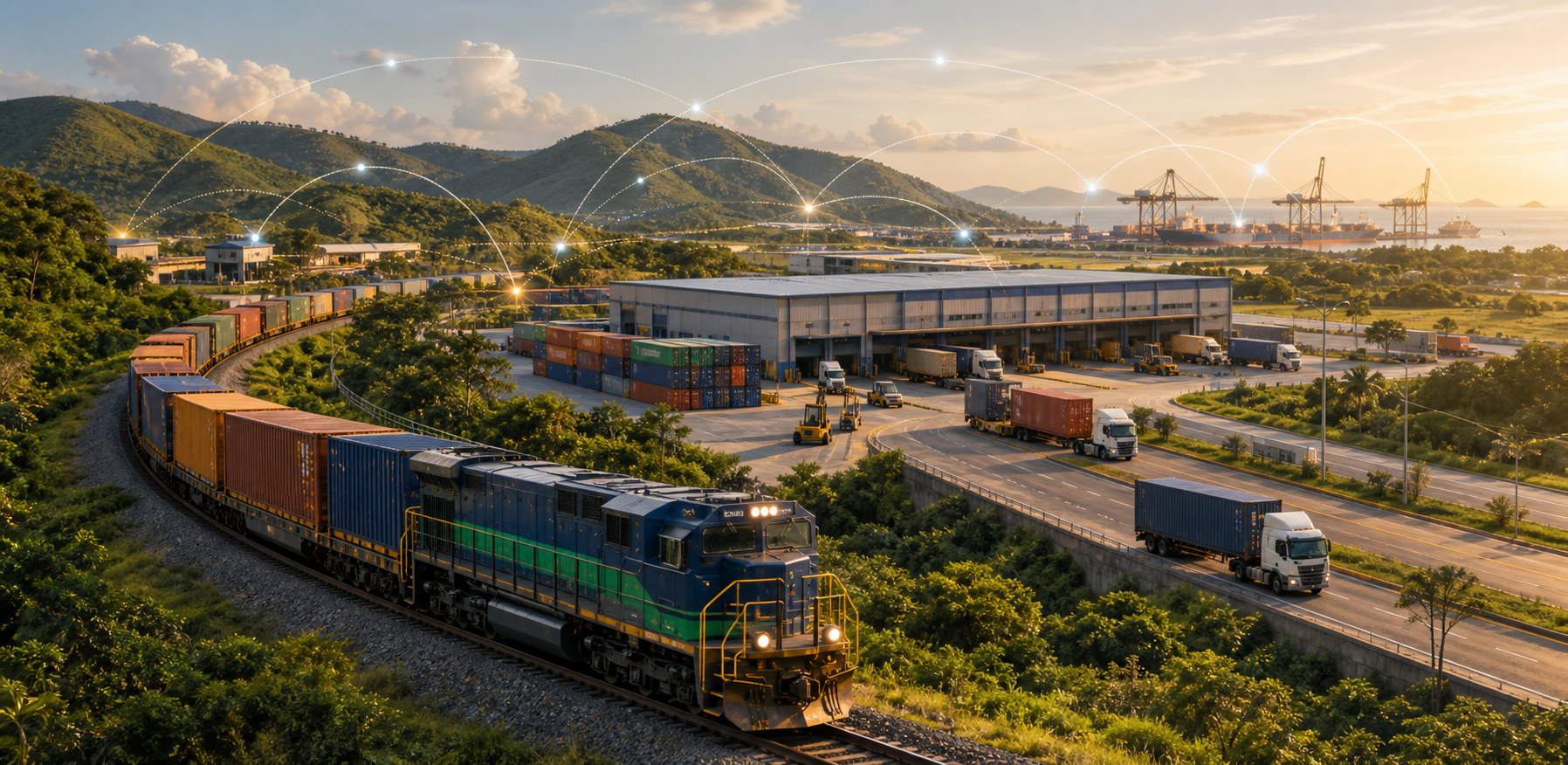
Real-time cargo tracking, dynamic transport plan adjustments, and automated quoting and booking are core means to improve freight forwarding operational efficiency. It is recommended that freight forwarding companies introduce digital freight platforms to achieve full-chain visibility from booking to delivery, helping customers monitor cargo movements in real time.
Taken together, the growth in South America route freight volume has a solid demand foundation and is not driven by short-term sentiment.
From a medium-to-long-term perspective, trade cooperation between China and Latin American countries will continue to deepen; the scale effect of Brazilian agricultural exports will not disappear in the foreseeable future; and Mexico's role as a hub between Asia-Pacific and North American trade will continue to strengthen.
For freight forwarding companies, this represents both a challenge in managing cost pressures and a strategic opportunity to build differentiated competitive advantages. Those enterprises that proactively lay out capabilities in space resources, route solutions, end-delivery networks, and digitalization will seize the initiative in the next phase of competition.
It is recommended that all freight forwarding companies list South America routes as a key development sector for 2026, configure dedicated teams to conduct in-depth market research, establish strategic cooperation with quality shipowners, and provide customers with one-stop international logistics solutions featuring "space guarantee + route optimization + full-process tracking."
Freight Forwarding Services | International Logistics | Ocean and Air Transport | Transport Cost Optimization | Freight Forwarding Rates | South America Routes | Brazil | Containers | Bulk Carriers | Freight Forwarding




China——Brazil Trajectory Tracking


+86 532-85066033/34






 中文简体
中文简体 ENGLISH
