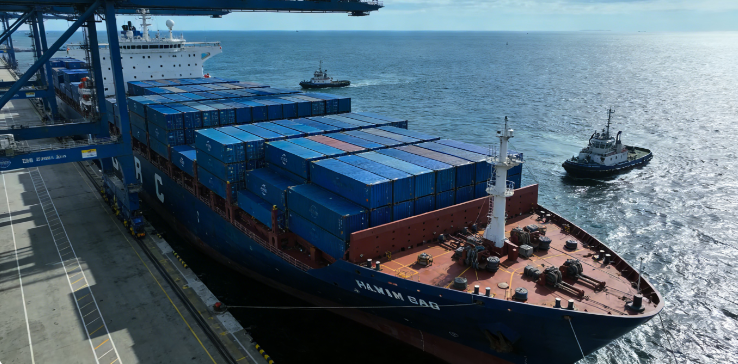
As an important gateway for foreign trade in northern China, Qingdao's developed maritime system directly affects the supply chain efficiency of the Bohai Sea Economic Rim and even the Yellow River basin. In recent years, the construction of the Qingdao International Shipping Center has gained momentum, continuously enhancing its position in the global shipping landscape. According to the "Xinhua-Baltic International Shipping Center Development Index Report (2025)," Qingdao's comprehensive strength ranking among global international shipping center cities has soared to 13th place, surpassing Tokyo in Japan and Busan in South Korea for the first time, marking a historic breakthrough. Behind this advancement lies the coordinated support of port hardware capabilities, route network density, and professional service capabilities.
Qingdao Port is the core engine of Qingdao's maritime system. The Qianwan Port Area and Dongjiakou Port Area operate in synergy, forming specialized terminal clusters for containers, ore, crude oil, grains, and more. In the first half of this year, Qingdao Port handled a cargo throughput of 370 million tons and a container throughput of 16.38 million TEUs, maintaining steady growth in global port competition. The continuous expansion of the route network is crucial for maritime development. By the end of June, Qingdao Port had a total of 233 shipping routes, connecting over 700 ports in more than 180 countries and regions worldwide, with routes to co-building the "Belt and Road" and RCEP countries accounting for over 60%. It is noteworthy that the second 400,000-ton ore terminal in Dongjiakou Port has been successfully put into operation, making Qingdao Port the first port in the country with two 400,000-ton ore terminals, directly serving the world's largest bulk carriers, further consolidating Qingdao's core competitiveness in the global bulk cargo transportation network.
Green and smart transformations are reshaping the future outlook of Qingdao's maritime industry. Qingdao Port now has the capacity for both biofuel and methanol refueling, becoming the first port in northern China to offer international sailing vessels biofuel oil refueling services, providing the "Qingdao Solution" for the shipping industry's green transformation. In terms of smart port construction, the world's first automated general cargo pulp terminal and the first port service-oriented large-scale model "Ark TaaS Large Model" have been successively established. The container carbon footprint calculation service platform has been certified, with a series of innovative achievements making Qingdao's smart and green port increasingly prominent.
Between port functions and shipper demands, specialized Qingdao freight forwarding companies play a crucial role in transformation and value addition. Traditional booking and customs clearance services are no longer sufficient to meet the complex requirements of modern manufacturing and trading enterprises. Leading companies in the Qingdao freight market are accelerating their transformation into supply chain integrated service providers, evolving their role from transport intermediaries to process designers and from single-point executors to end-to-end coordinators. This evolution stems from changing market demands: foreign trade enterprises no longer settle for singular transport services but require comprehensive logistics partners capable of integrating sea, air, rail, and domestic distribution resources and adapting to changes in international trade rules and customs policies. Some leading Qingdao freight companies have achieved deep digitalization, visualizing customer supply chains and smartening processes, significantly enhancing service responsiveness and reliability.
The radiating capability of Qingdao's maritime system is also reflected in its deep linkage with the inland hinterland. Sea-rail intermodal trains operate regularly, extending Qingdao Port's outbound functions to Zhengzhou, Xi'an, Urumqi, and even Central Asia. Currently, Qingdao has established 55 inland ports and opened 86 sea-rail intermodal trains, maintaining the leading position in sea-rail intermodal container volume among all coastal ports in China. This logistics pattern of "port presence" provides broad operational space for Qingdao freight forwarding companies and places higher demands on their cross-regional coordination capabilities. The ability to design cost-effective and efficient "door-to-door" solutions serves as an important gauge of their professional standards.
Qingdao's export product structure is diverse, encompassing traditional advantage products such as machinery and equipment, tires, home appliances, as well as emerging categories like new energy vehicles, lithium batteries, photovoltaic components, and more. Different types of goods have varied demands for transportation conditions, document requirements, and delivery timeliness. Some Qingdao freight companies choose to focus on niche areas, establishing specialized assets and knowledge barriers in cold chain logistics, hazardous goods transportation, heavy-duty project logistics, and other fields to provide irreplaceable professional services for specific customer groups. This vertical integration strategy enables them to build pricing power in niche markets, resisting profit compression brought about by homogenized competition.
At the same time, Qingdao's maritime ecosystem faces structural challenges. Global shipping market cyclic fluctuations, intensified regional port competition, and gradual implementation of international carbon tariffs bring uncertainty to industry development. For Qingdao freight forwarding companies, relying solely on a growth model based on scale expansion is no longer sustainable; they must iterate towards knowledge-intensive and technology-empowered directions. Talent structure upgrades are particularly urgent—an integrated talent with expertise in international logistics rules, familiarity with data analysis tools, understanding of industry operation logic, and cross-cultural communication skills is becoming a scarce resource in the industry.
Overall, Qingdao's maritime system is transitioning from "scale expansion" to "quality advancement." The continuous improvement of port capabilities provides a solid foundation for industry development, while the pace of evolution of Qingdao freight forwarding companies determines Qingdao's position in the global supply chain division of labor. When maritime services are no longer just about the displacement of goods but an integral part of clients' business competitiveness, the expectations and responsibilities borne by Qingdao freight forwarding industry far exceed traditional definitions.
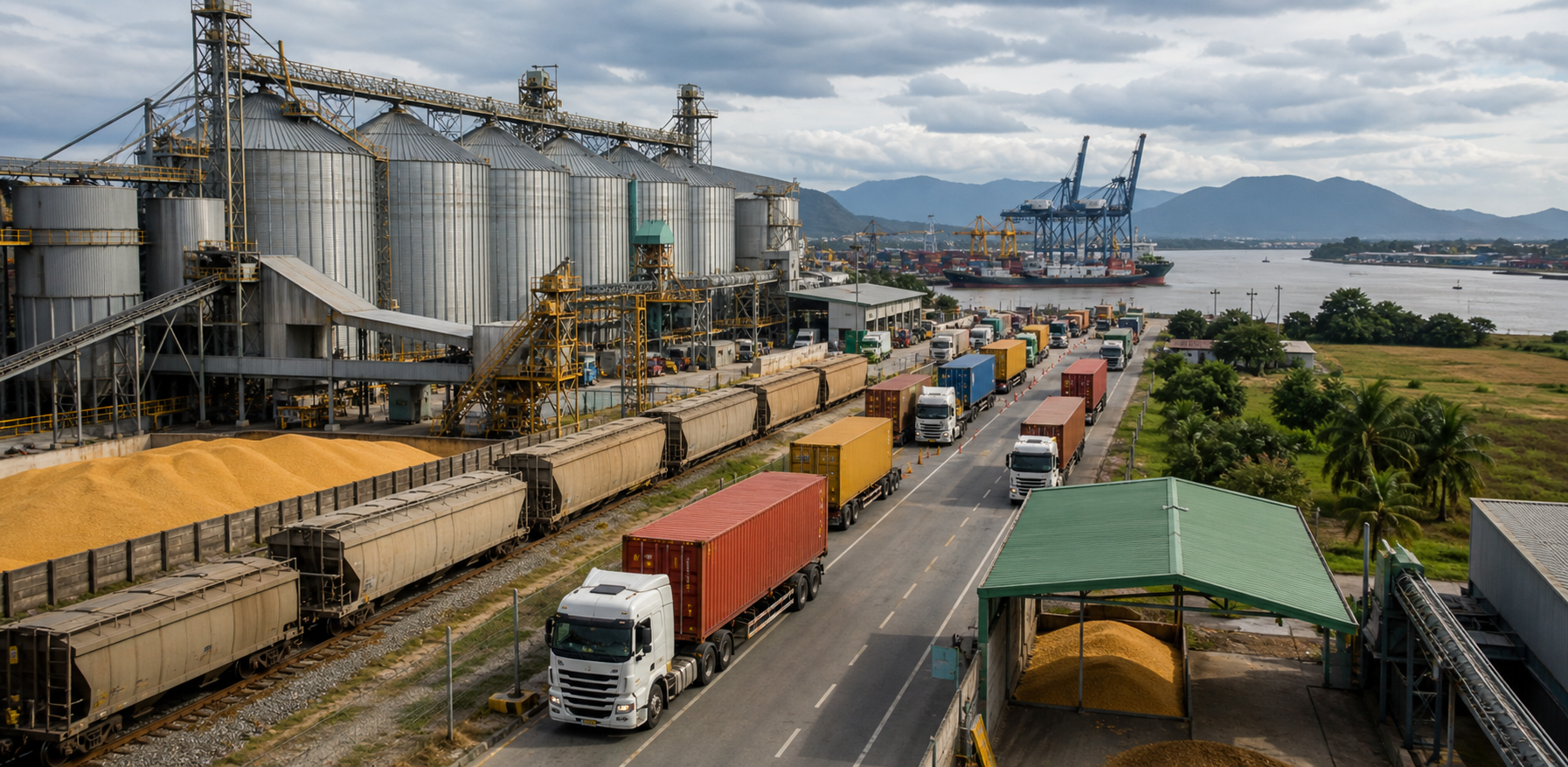
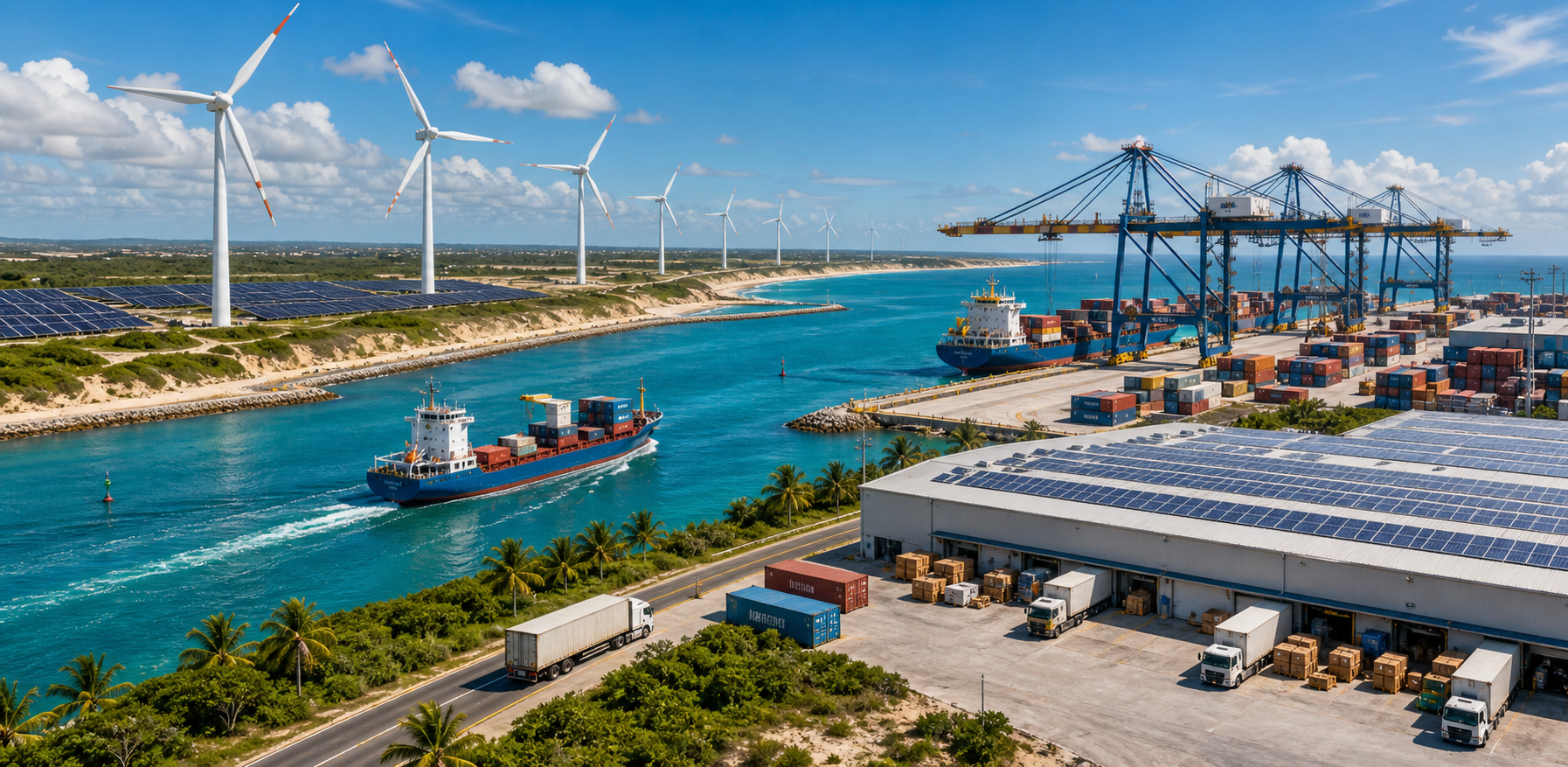
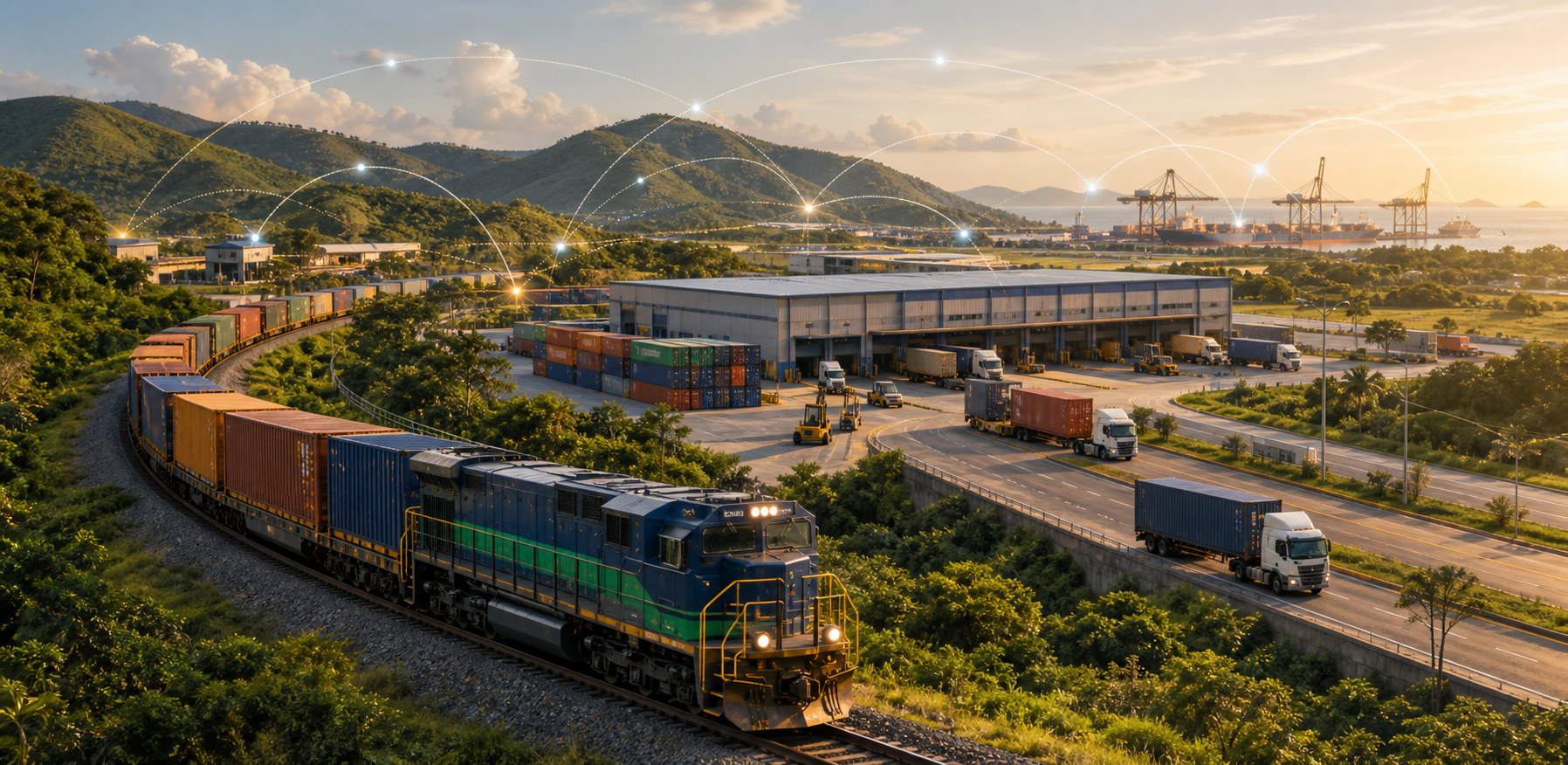




China——Brazil Trajectory Tracking



+86 532-85066033/34






 中文简体
中文简体 ENGLISH
