Brazil freight forwarding is again a practical issue for shippers, importers, exporters, logistics managers and cross-border e-commerce teams. Recent shipping, air cargo, trucking, port and customs news shows that companies are not facing a single freight-rate problem. They are managing capacity, fuel, customs data, inland delivery and inventory rhythm at the same time.
Recent logistics market updates point to changing freight rates, fuel costs, inland transport conditions, port capacity and customs-compliance pressure. These signals quickly influence booking windows, quote validity, surcharges, destination charges and delivery promises. When shippers wait until cargo is ready before asking for options, they usually face tighter space and fewer alternatives.
A low ocean or air freight quote can be misleading if the rest of the chain is not controlled. Pickup, export customs, documentation, terminal handling, destination customs, warehousing, demurrage, insurance, delivery and exception handling all affect margin.
Ocean freight is best for planned volume and cost-sensitive cargo. Air freight is better for urgent orders, samples and high-value replenishment. Inland transport determines whether the shipment can meet the customer's final delivery promise. A mixed portfolio gives shippers more resilience.
Professional freight forwarding should begin during quotation and procurement planning. Shippers should confirm destination ports, consignee capability, HS codes, packing rules, warehouse needs and delivery expectations before the shipment is booked.
Forecast space two to three weeks ahead. Require quotes to show validity, surcharge assumptions and destination-cost boundaries. Keep a backup port, sailing or air freight option for important orders. Review every exception cost and use it to improve the next logistics plan.
Over the next few weeks, Brazil freight forwarding will continue to be shaped by capacity, fuel, port efficiency and trade-policy changes. The strongest shippers will not simply buy the cheapest freight rates. They will choose transparent freight forwarding partners and use freight cost optimization as a routine operating discipline.

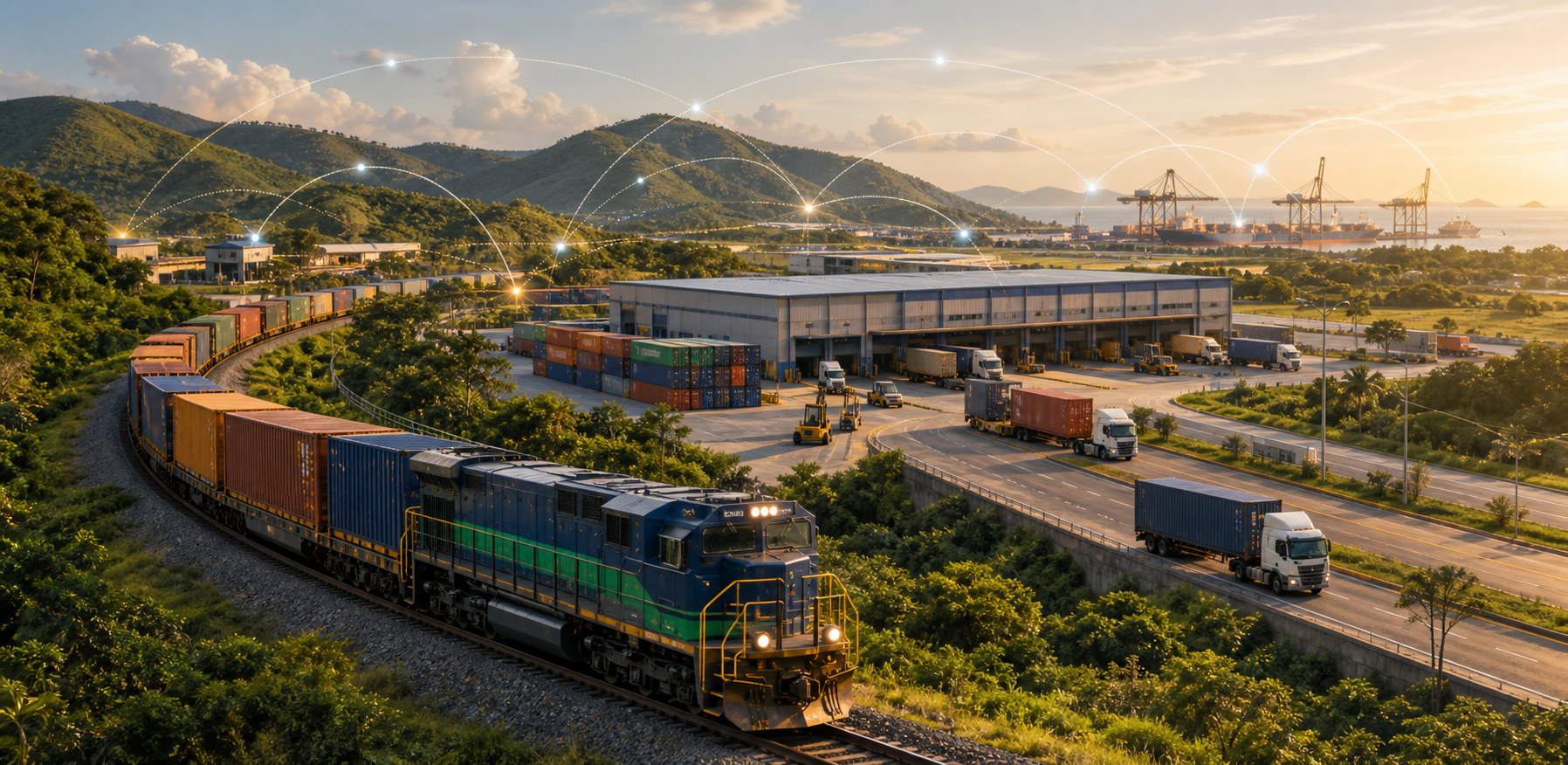




China——Brazil Trajectory Tracking



+86 532-85066033/34






 中文简体
中文简体 ENGLISH
