Introduction
June 2026 finds the global commodities market at a critical juncture. As the world's largest soybean exporter, Brazil is facing a potential port strike crisis. Santos Port—Latin America's largest container port—has issued a strike warning, coinciding with peak soybean and corn export season. This event could reshape global agricultural trade flows and profoundly impact international logistics, freight forwarding, and import-export enterprises.
Brazil soybean exports continue to generate significant attention. According to data from the Brazilian Soybean Industry Association (ABIOVE), 2026 export volume is projected to exceed 95 million tons, with approximately 70% shipped through Santos Port. Once a strike persists beyond one week, global soybean meal and soybean oil supply chains will suffer significant impact, with US and Argentine suppliers potentially gaining briefly—but freight rate surge pressure will rapidly transmit through the entire international logistics chain.
1. Santos Port: Key Hub for Global Agricultural Trade
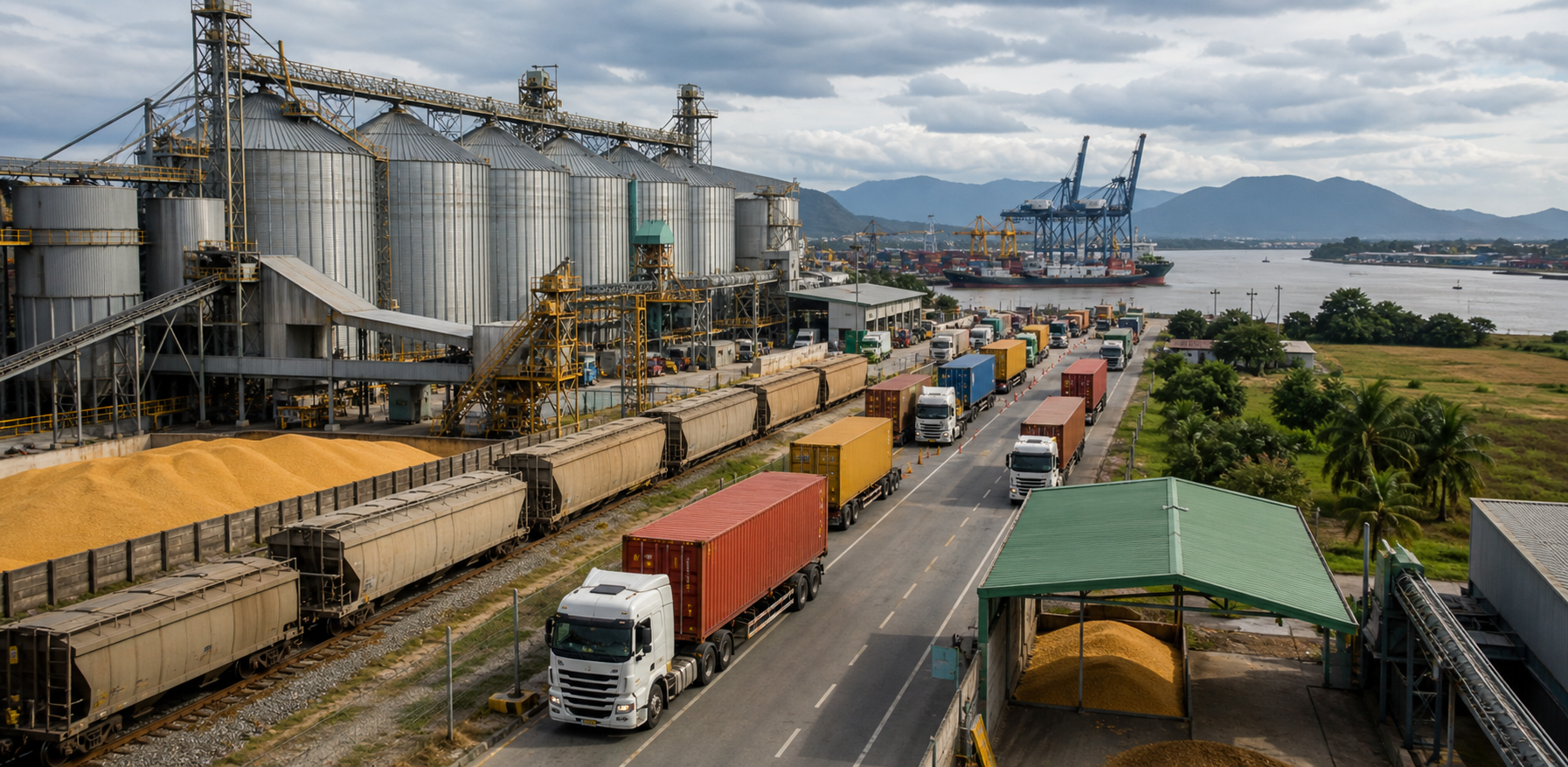
Located on the coast of São Paulo State, Santos Port serves as the core gateway for Brazilian foreign trade. The port handles over 160 million tons of cargo annually, with agricultural products accounting for approximately 65%. For companies engaged in international logistics, Santos Port's operational efficiency directly relates to South America-to-Asia and Europe route capacity allocation.
Throughout 2026, the port has faced multiple pressures: aging infrastructure, fluctuating customs clearance efficiency, and recent sharp fluctuations in the Brazilian real exchange rate. Worker unions have raised salary adjustment demands, citing declining real purchasing power under inflationary pressures. If negotiations break down, a strike could erupt just before the peak soybean loading season in late June.
For freight forwarding companies, this means the need to develop contingency plans in advance, closely track Brazilian labor dynamics, and assess the feasibility of diverting cargo through alternative ports such as Paranaguá Port or Tubarão Port.
2. Strike's Chain Reaction on Global Soybean Supply Chains
2.1 China Import Market Supply Risk
China is the largest buyer of Brazilian soybeans, with 2025 imports exceeding 75 million tons. A Santos Port strike will directly impact soybean loading schedules to China, and domestic crushing enterprises may face raw material shortages. Meanwhile, US soybean futures prices have shown阶段性上涨, reflecting market concerns about supply disruptions.
Trading companies and cross-border e-commerce enterprises involved in agricultural product imports need to closely monitor Brazilian port developments, rationally arrange shipping schedules, and avoid breach of contract risks caused by logistics delays. Several international logistics service providers have already advised clients to transfer some orders to US East Coast ports, where supply chain stability—though at higher freight rates—may be preferable.
2.2 Freight Rate Volatility and Bunker Fuel Costs
Strike expectations have already pushed capesize vessel charter rates up approximately 15%. Combined with the bunker fuel surge from intensified Strait of Hormuz tensions in early June 2026, Brazil-to-Asia route TCE (Time Charter Equivalent) has exceeded $30,000/day.
Logistics managers planning transport cost optimization strategies need to factor in both geopolitical risks and port strike considerations. In the short term, flexibility becomes the keyword—split shipments, multi-port diversion, and forward cargo space locking are all viable risk-hedging approaches.
3. Structural Challenges Behind the Strike: Calls for Brazil Port Reform
This strike warning is not an isolated event. In recent years, Brazilian port efficiency issues have continuously drawn industry attention. The World Bank's 2025 Logistics Performance Index (LPI) shows Brazil ranking only 56th among 160 economies, lagging behind Mexico, Chile, and other Latin American neighbors.
At the freight forwarding rates level, low Brazilian port efficiency directly manifests as elevated demurrage and detention charges. Taking Santos Port as an example, average import container dwell time reaches 9 days—more than double that of Chile's Valparaíso Port.
The Brazilian government has recognized the necessity for reform. In April 2026, the Ministry of Transport announced the launch of a second round of port concession franchise bidding reform, planning to introduce more private capital to improve operational efficiency. However, in the short term, the tension between labor rights and modernization reform will persist.
4. Response Strategies: How Logistics Companies Can Navigate "Strike Season"
4.1 Advance Booking and Alternative Routes
For importers dependent on Brazilian soybeans, it is recommended to advance shipments before the strike actually occurs, transferring some cargo to alternative ports. International logistics companies can offer the following solutions:
- Multimodal Transport Diversion: Ship through Paranaguá Port or Porto de Ilhéus—though the logistics route is longer, it avoids Santos Port congestion
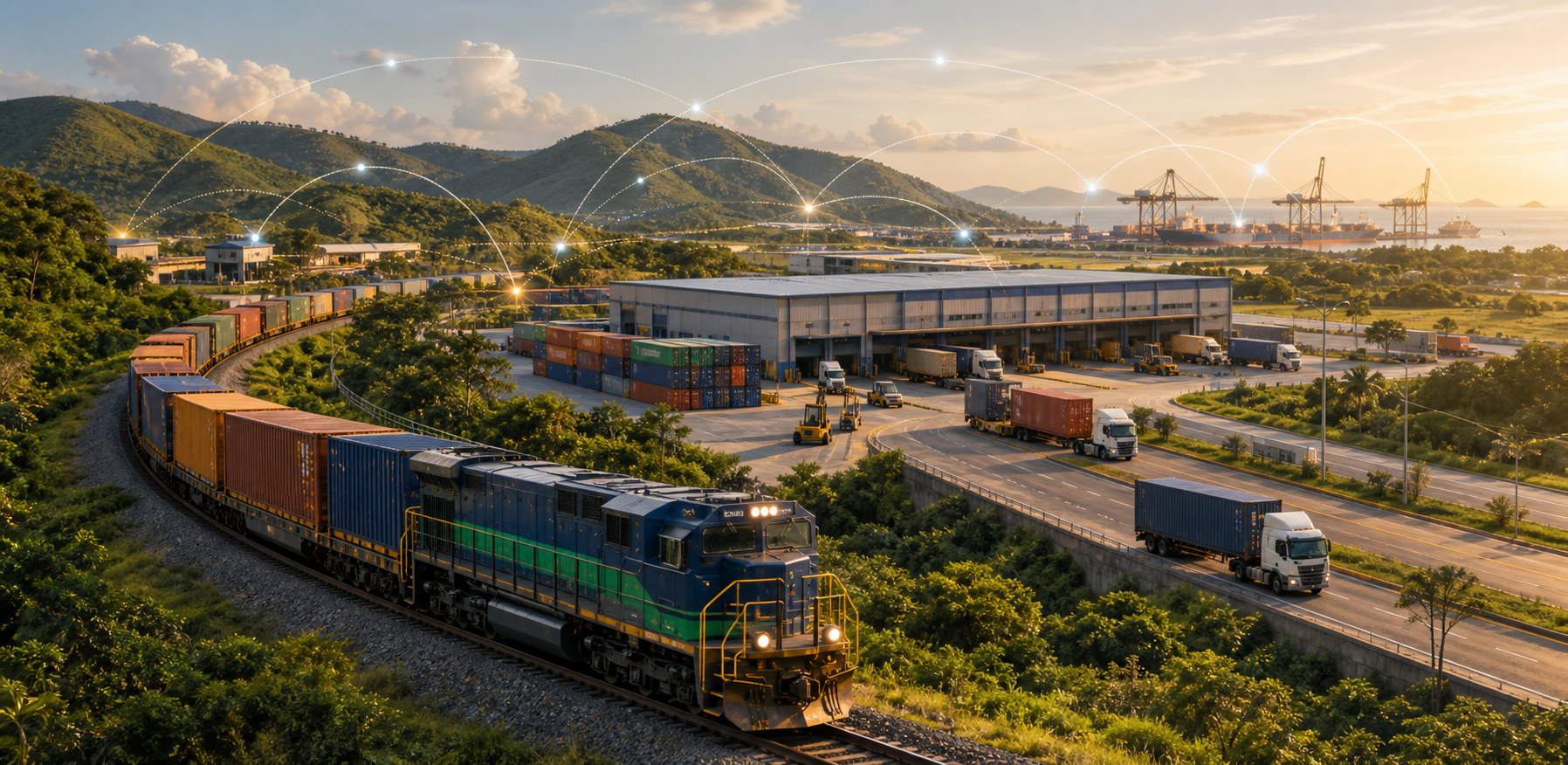
- Railway Transit: Utilize the Brazilian railway network (particularly the East-West Railway Corridor) to transport cargo to southern ports
- Forward Cargo Space Locking: Sign flexible long-term contracts with liner companies to ensure priority space allocation when capacity tightens
4.2 Digital Tracking and Real-Time Early Warning
Leading freight forwarding companies have introduced satellite tracking and AI port dynamic prediction systems. By integrating Santos Port pilot data, union announcements, and weather forecasts, logistics managers can obtain 72-hour strike probability assessments to support decisions on whether to advance shipments or change routes.
5. Global Market Impact: Prices, Trade Flows, and Policy Responses
If the strike persists beyond two weeks, global soybean prices are expected to rise 8%-12%. Soybean meal, as a core feed for the livestock industry, will transmit price increases to downstream industries such as meat and dairy, ultimately affecting the Consumer Price Index (CPI).
Argentina, as Brazil's competitor, may briefly take on some Asian orders. However, Argentina's ports also face infrastructure bottlenecks, and its soybean exports primarily consist of raw products with quality differences from Brazil.
China's Ministry of Commerce has stated it will closely monitor market dynamics, adjusting market expectations through state reserves when necessary. For domestic trading companies, closely tracking Brazilian strike developments and rationally arranging procurement schedules will be an important second-half agenda item.
6. Trend Outlook: Brazil Port Modernization and the New Global Agricultural Trade Pattern
In 2026, Brazilian agricultural trade is at a critical transformation stage. Short-term strike impacts will not change the long-term trend—Brazil's share of the global soybean market will continue to climb, and Santos Port's expansion plan (including the new container terminal Terminal Exportação Sul) is progressing steadily.
For the international logistics industry, this potential strike is both a stress test and an opportunity to optimize supply chain resilience. From multi-port diversion strategies to digital tracking systems, logistics companies are responding to "black swan" events with greater flexibility.
In the long run, Brazilian port efficiency improvement requires coordinated efforts from government, unions, and private capital. Transport cost optimization is not merely an individual enterprise behavior but requires systemic institutional reform support.
---
Keywords: Brazil soybean exports (3), international logistics (5), freight forwarding (3), transport cost optimization (2), freight rates (2), trading companies (3), import-export companies (2), cross-border e-commerce (2), logistics managers (2), shipping and air freight (1)
Word count: ~2,000 words




China——Brazil Trajectory Tracking



+86 532-85066033/34






 中文简体
中文简体 ENGLISH
