
May 2026, Brazil's soybean exports have once again shattered historical records. According to the latest forecast from Brazil's National Association of Logistics and Transport (ANEC), soybean exports in May are expected to reach 16 million metric tons, not only exceeding the record high of 16.24 million metric tons set just in April, but also signaling a profound transformation in the global agricultural trade landscape. This development warrants close attention from freight forwarders, trading companies, and international logistics professionals.
| Time Period | Export Volume | Year-over-Year Change |
|-------------|--------------|----------------------|
| May 2026 (Forecast) | 16 million metric tons | Above April's record |
| May 1-15, 2026 (Actual) | 7.958 million metric tons | Ahead of same period last year |
| April 2026 (Record High) | 16.24 million metric tons | Previous single-month record |
Source: ANEC (Associação Nacional dos Exportadores de Cereais)
The data clearly shows that Brazil's soybean exports have not only sustained strong momentum but are exhibiting accelerated growth during peak export season. What drives this export surge? And what does it mean for the logistics industry?
Brazil is the world's largest soybean exporter, with its production and export volumes consistently ranking among the highest globally. As agricultural technology advances and cultivated acreage expands, the scale effect of Brazil's soybean industry has become increasingly significant. The 2026 export data once again confirms that Brazil's core position in the global soybean supply chain is unshakeable.
China is the world's largest soybean importer, and Brazil is the largest source country for China's soybean imports. Industry statistics show that approximately 70% of China's imported soybeans come from Brazil. This enormous demand volume means that China's buyers' purchasing rhythms directly drive the seasonal fluctuations in Brazil's soybean exports.
Compared to competing nations like the United States and Argentina, Brazilian soybeans hold a certain price advantage. Amid increasingly fierce international agricultural trade competition, Brazil's cost-performance advantage has further driven the expansion of export volumes.
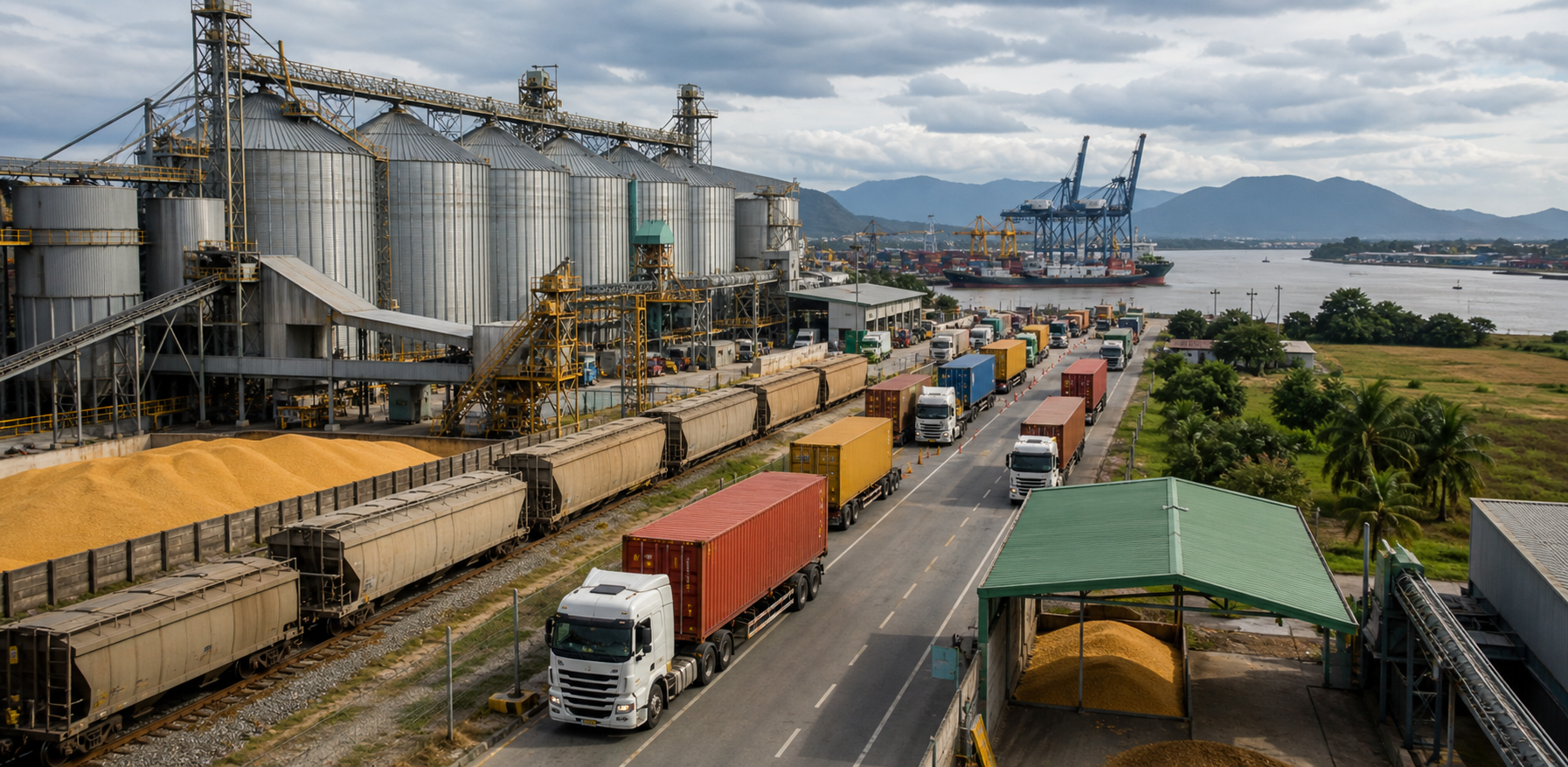
Soybeans are major dry bulk cargo, primarily transported by bulk carriers. During each export peak season, Brazil's ports experience concentrated shipments, creating a pronounced supply-demand imbalance in bulk carrier capacity. Tight capacity not only enhances shipowners' bargaining power but also puts greater pressure on freight forwarders in securing舱位 (space/bookings).
The capacity competition during export peak season directly transmits to the freight rates level. Ocean freight rates that were previously relatively stable often experience stage-specific spikes during shipping peaks, increasing cost control difficulties for trading companies and importers. Meanwhile, air cargo demand also rises significantly in emergency resupply scenarios, further destabilizing the overall price基准 (benchmark) of the logistics market.
Concentrated shipments may also cause congestion at Brazil's major ports, with schedule delays becoming the norm. For importers with high time-sensitivity requirements (such as food processing enterprises and feed manufacturers), this means increased uncertainty in raw material supply, putting pressure on inventory management strategies to adjust.
Approximately 70% of China's imported soybeans come from Brazil. The importance of this logistics chain is reflected in the following aspects:
Therefore, on this logistics chain, the professionalism and reliability of freight forwarding services directly determines importers' cost advantages and supply chain stability.
Facing the logistics challenges brought by Brazil's soybean export peak season, freight forwarders can enhance competitiveness from the following dimensions:
Before the export season begins, establish space booking mechanisms with shipowners or large freight forwarders in advance to avoid the passive situation of competing for space during peak season. Build long-term cooperation agreements with customers, incorporating peak season space requirements into annual service frameworks.
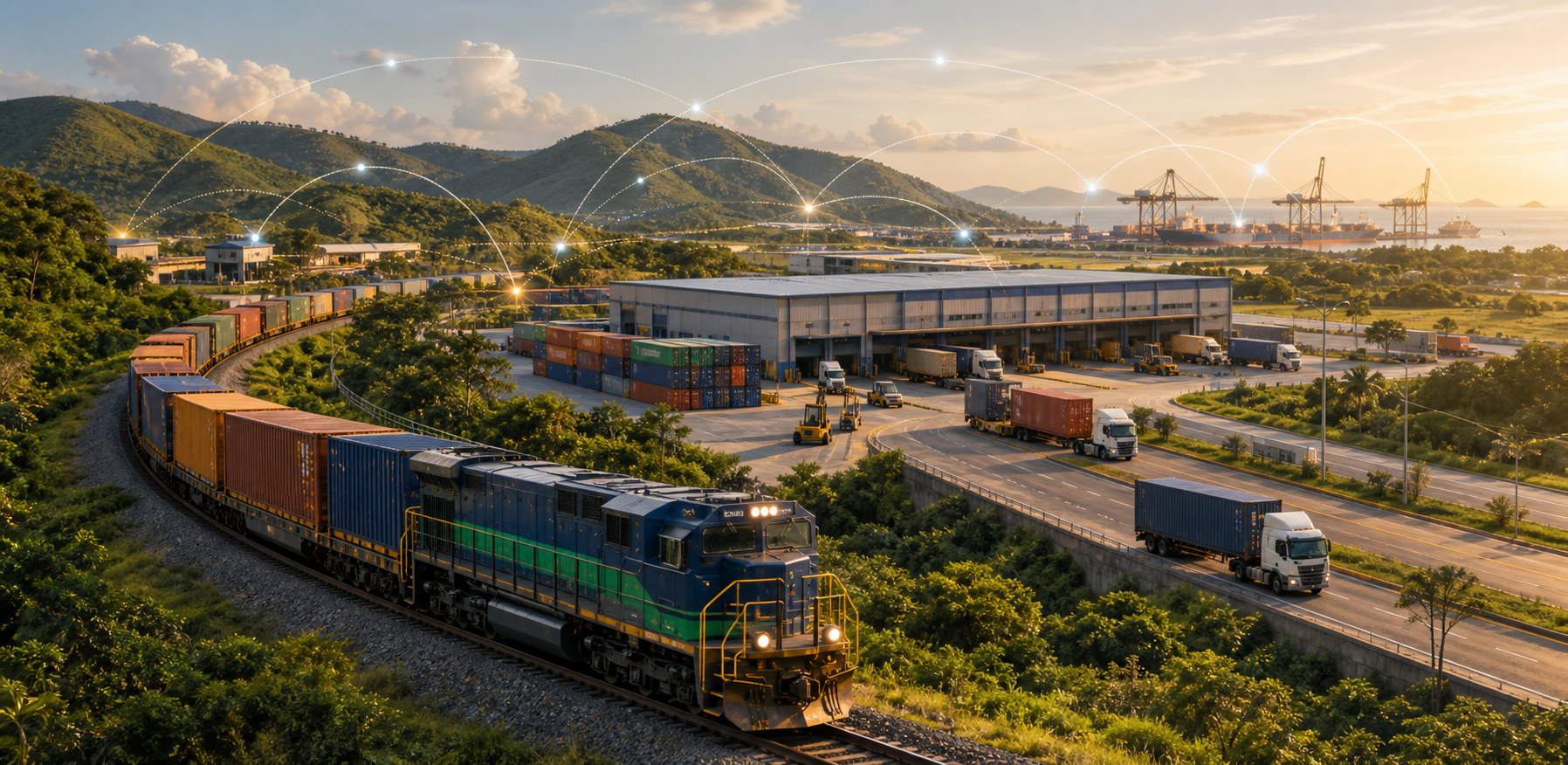
The risks of a single maritime route are amplified during peak season. Freight forwarders can design alternative or combined solutions for customers, such as:
Using ship tracking systems and port dynamics monitoring platforms to track schedule changes in real-time and proactively warn customers about potential delay risks. Enhanced digital capabilities can significantly increase the service premium that freight forwarders can command.
Considering various factors comprehensively, Brazil's soybean exports are expected to maintain a high-level shock (volatile plateau) pattern in the second half of 2026:
For the freight forwarding industry, the second half of the year will still be a period of tight space and freight rate volatility. Enterprises with professional capabilities and resource integration abilities are more likely to stand out in competition.
| Role | Core Recommendations |
|------|----------------------|
| Freight Forwarders | Plan space resources ahead, enhance multimodal transport capabilities, strengthen digital service construction. |
| Trading Companies/Importers | Build long-term cooperation with quality freight forwarders, rationally plan procurement rhythms, establish backup supplier systems. |
| Logistics Managers | Monitor Brazil port dynamics, establish supply chain risk early warning mechanisms, explore diversified logistics solutions. |
| Cross-Border E-commerce | Beyond traditional ocean shipping, pay attention to combined solutions of cross-border parcels and overseas warehouses (applicable to high-value soybean products). |
Brazil's soybean export season setting record highs is far more than just a change in agricultural commodity data. It reflects the deep adjustment of the global supply chain pattern, the continuous strengthening of trade bonds between China and South America, and the real challenges and opportunities facing the international logistics industry during peak seasons.
For every professional in the freight forwarding services, international logistics, ocean and air freight sectors, understanding these signals and preparing in advance is the only way to gain the initiative in changing times.
Keywords: Freight Forwarding Services, International Logistics, Ocean and Air Freight, Transportation Cost Optimization, Freight Rates, Brazil Soybean Exports, Agricultural Ocean Freight, Bulk Carriers, Export Season





China——Brazil Trajectory Tracking



+86 532-85066033/34






 中文简体
中文简体 ENGLISH
