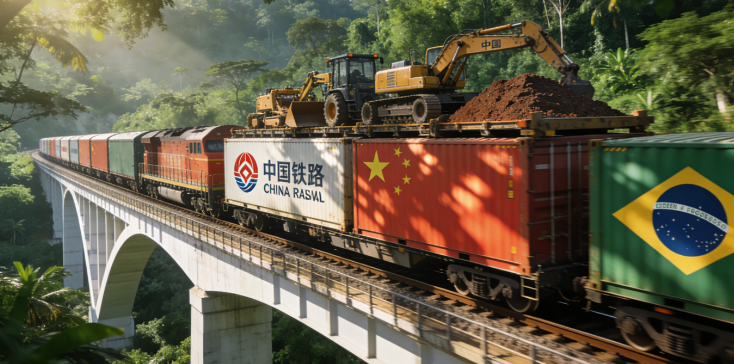
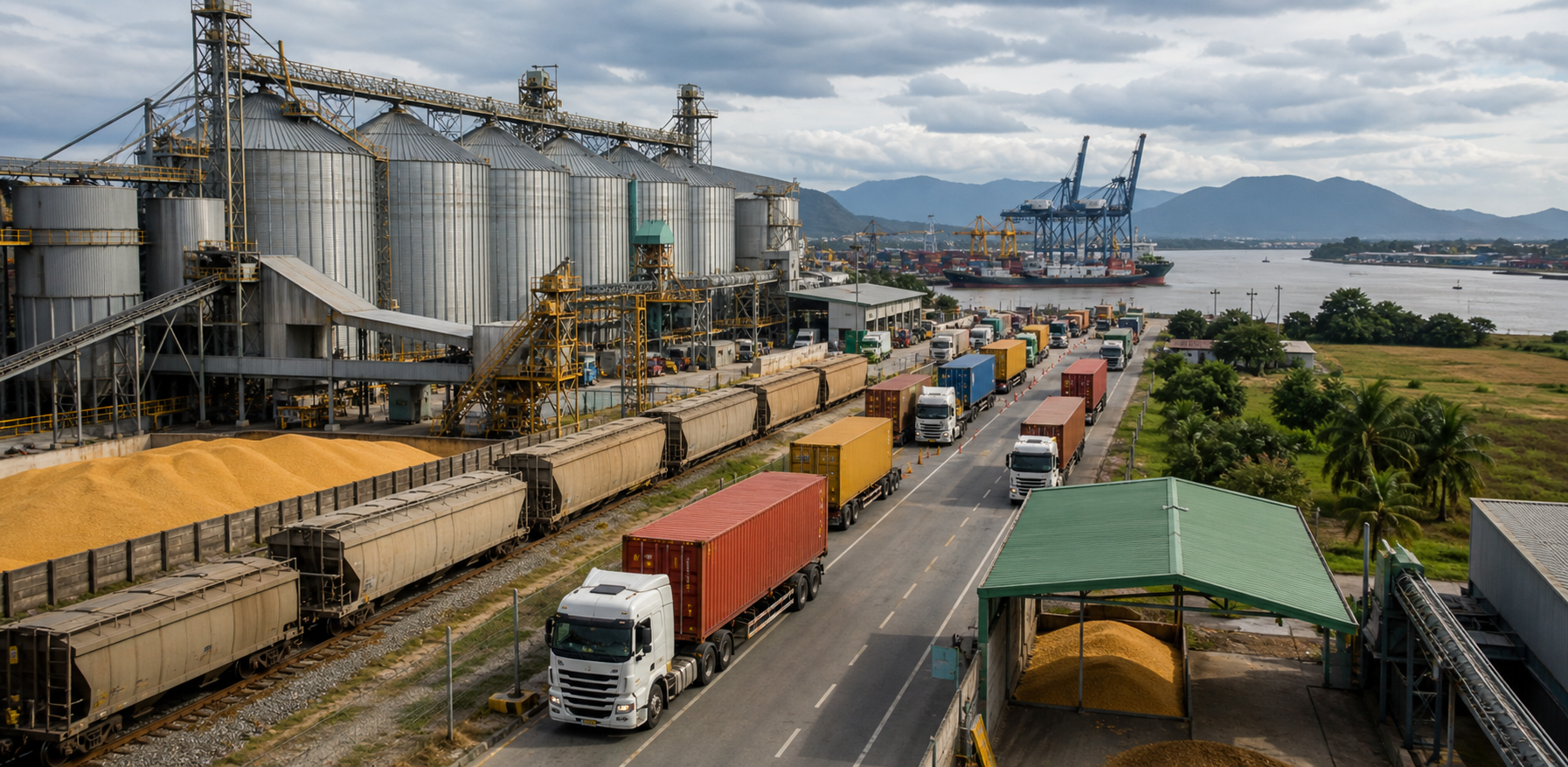
In the early morning at the Port of Santos, cranes are loading containers onto a cargo ship bound for China. Inside these containers could be golden soybeans or carefully packaged coffee beans. A similar scene is playing out at the distant Shanghai Yangshan Port, but in reverse—containers are filled with electronic products, mechanical parts, and packaged textiles. Between these two scenarios, separated by over thirty days of sea travel, lie the subtle understandings of the Brazilian farmers and Chinese factory owners about each other's markets.
Brazilian farmer Jose is considered one of the most knowledgeable South American growers familiar with the Chinese market. He has a commodity exchange app from Dalian Commodity Exchange on his phone, and the first thing he does every day is check the soybean futures prices. Although his soybeans will eventually reach Chinese oil mills, his knowledge of the transportation process is limited to "the freight forwarder will arrange everything." This mysterious intermediary role is responsible for transporting his soybeans from the farm to the port and loading them onto ships bound for the East. Jose only knows that during the harvest season, representatives from the freight forwarding company will appear at his warehouse on time, carrying thick documents and a string of container numbers.
Meanwhile, in a factory in Dongguan, China, Manager Li is inspecting a batch of smartphone components destined for Brazil. His concerns are the opposite of Jose's—he is too familiar with every aspect of transportation. Whether the ship schedules are on time, how strict Brazilian customs inspections are, and if truck drivers in São Paulo are on strike—these details directly affect his shipping plans. Unlike Jose, Manager Li can recall the names of three operational staff at the cooperating freight forwarding company, and even remembers their shift times clearly. He says this is the norm for Chinese manufacturers: they have to manage production and understand logistics.
The essence of this trade is best reflected in the daily operations at the port. In the container yards of Rio de Janeiro, workers use chalk to mark symbols on the containers that only they can understand. A fish-shaped mark indicates "fragile," wavy lines represent "moisture-proof," and containers from China often have double labels—with Chinese on the bottom and Portuguese on top. Carlos, the foreman directing the loading and unloading, says he prefers containers from China because they are "neatly stacked and have a stable center of gravity," allowing him to finish unloading work an hour ahead of schedule at night.
The growth in trade volumes brings about more than just numerical changes. At a Chinese wholesale market in São Paulo, the Chinese characters on shop signs are becoming more prominent, and payment methods are slowly transitioning from dollar settlements to direct conversions between the Renminbi and the Real. Three offices of Chinese logistics companies have opened in the market, with advertisements on their glass doors promoting "dual customs clearance and tax packages." However, the old merchants still prefer to work with local freight forwarders they have collaborated with for years, even though they may be more expensive, because they know "who to turn to in case of problems."
Ultimately, these trade interactions impact the lives of ordinary people. When Brazilian housewives select kitchen appliances made in China at supermarkets, they may not consider the maritime journey these products have undergone. Chinese consumers eating Brazilian nuts may not know which plantation near the Amazon rainforest these nuts come from. Only those working at the ports, watching goods come and go every day, truly understand how these two countries, thousands of miles apart, maintain such close and routine connections through the most traditional means of sea transportation.




China——Brazil Trajectory Tracking


+86 532-85066033/34






 中文简体
中文简体 ENGLISH
