Introduction
June 2026 saw container freight rates become the most pressing topic in the international logistics industry. Asia-Europe spot rates broke above $5,000/FEU, while US West Coast rates reached $3,800/FEU—both representing over 40% increases from year-start. Behind this freight rate surge are multiple overlapping factors including the Strait of Hormuz crisis, Singapore Port congestion, and WTI crude breaking through $90.
For freight forwarding service providers, trading companies, and logistics managers, understanding the deep logic behind container freight rate increases and developing transport cost optimization strategies is essential coursework.
1. Direct Triggers of the Freight Rate Surge
1.1 Geopolitical Shock
The Strait of Hormuz crisis directly pushed up bunker fuel costs, with Bunker Adjustment Factors rising correspondingly. In the composition of freight forwarding rates, fuel costs account for approximately 30%-40%—a 70% fuel price increase means container freight rates must rise 20%-28% to cover additional fuel costs.
1.2 Port Congestion Chain Reactions
Singapore Port congestion exceeding 450,000 TEU with 7-day berthing delays forced some liner companies to skip ports or adjust routes, further tightening effective capacity. The "congestion premium" embedded in container freight rates amounts to approximately 15%-18%.
1.3 Seasonal Factor Overlay
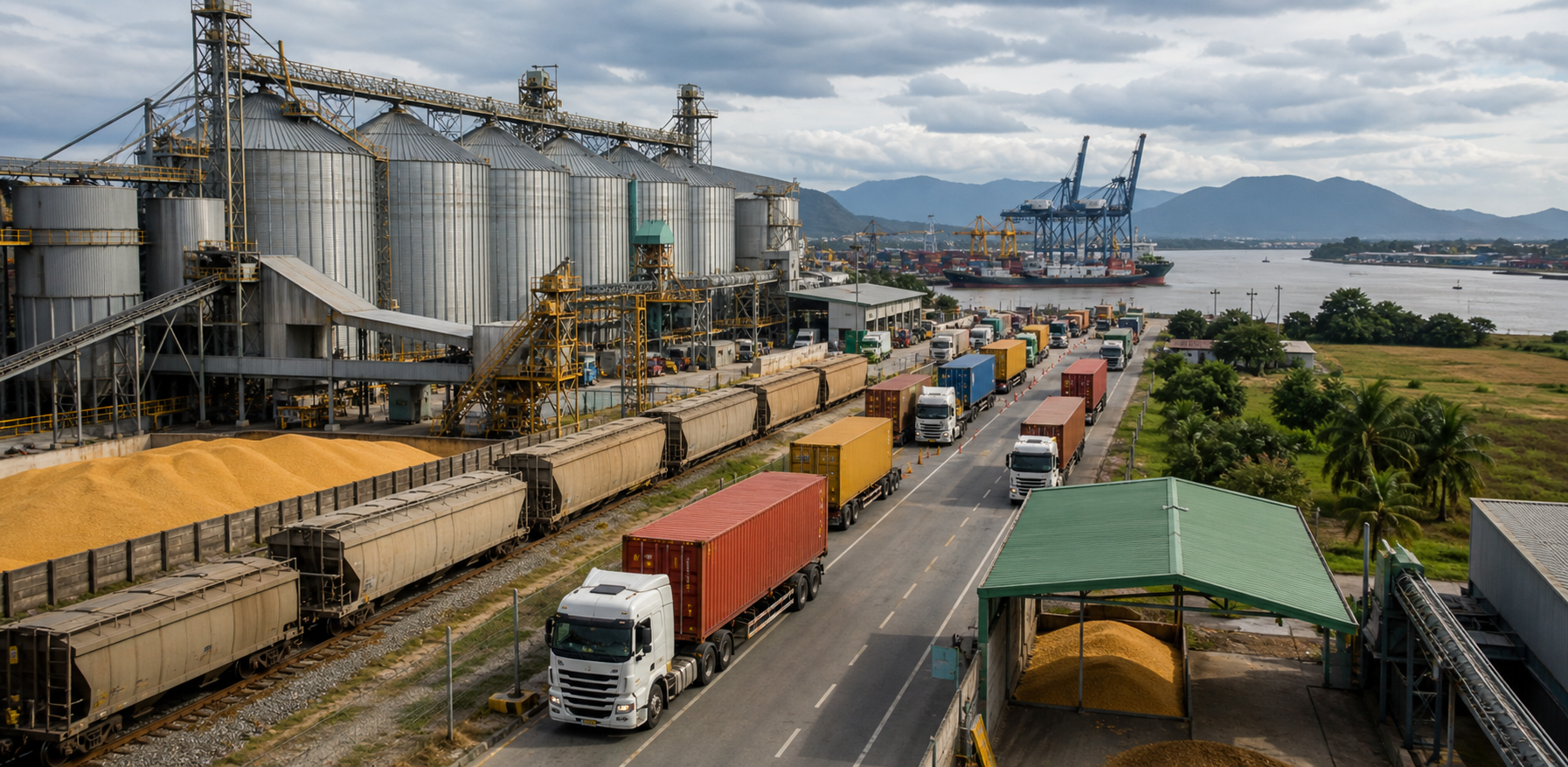
Amazon Prime Day stocking season, peak Brazilian soybean export season, and China's "618" e-commerce promotion shipping peak have made June a traditional peak season. Seasonal demand-side explosions combined with supply-side shocks to drive the freight rate surge.
2. Deep Logic: Systemic Exposure of Supply Chain Vulnerability
2.1 Tension Between Globalization Efficiency and Resilience
The post-pandemic recovery of the international logistics industry has consistently faced tension between "efficiency priority" and "resilience priority." Liner companies' supply-side controls (blank sailing, capacity protection) combined with cargo owners' inventory strategy adjustments have jointly shaped the current freight rate landscape.
2.2 Lag in Capacity Allocation
Container freight rate responses to supply-demand changes exhibit hysteresis. New vessel orders require 2-3 years from order to delivery. Orders placed in 2021 were only delivered in large volumes in 2024-2025, while demand-side changes are real-time. This lag amplifies freight rate volatility.
2.3 Chain Effect of Cost Transmission
WTI crude breaking through $90 → bunker fuel price increases → transport cost optimization pressure intensifies → freight forwarding service providers raise quotes → trading company margins compress. Every link in this transmission chain is repricing risk.
3. Response Strategies for Various Stakeholders
3.1 Freight Forwarding: Risk Hedging and Service Upgrade
Leading freight forwarding service providers are adopting the following strategies:
- Long-term contract protection: Locking partial contract freight rates for long-term customers to hedge against spot market volatility
- Bunker surcharge transparency: Establishing dynamic bunker surcharge adjustment mechanisms to enhance quote transparency
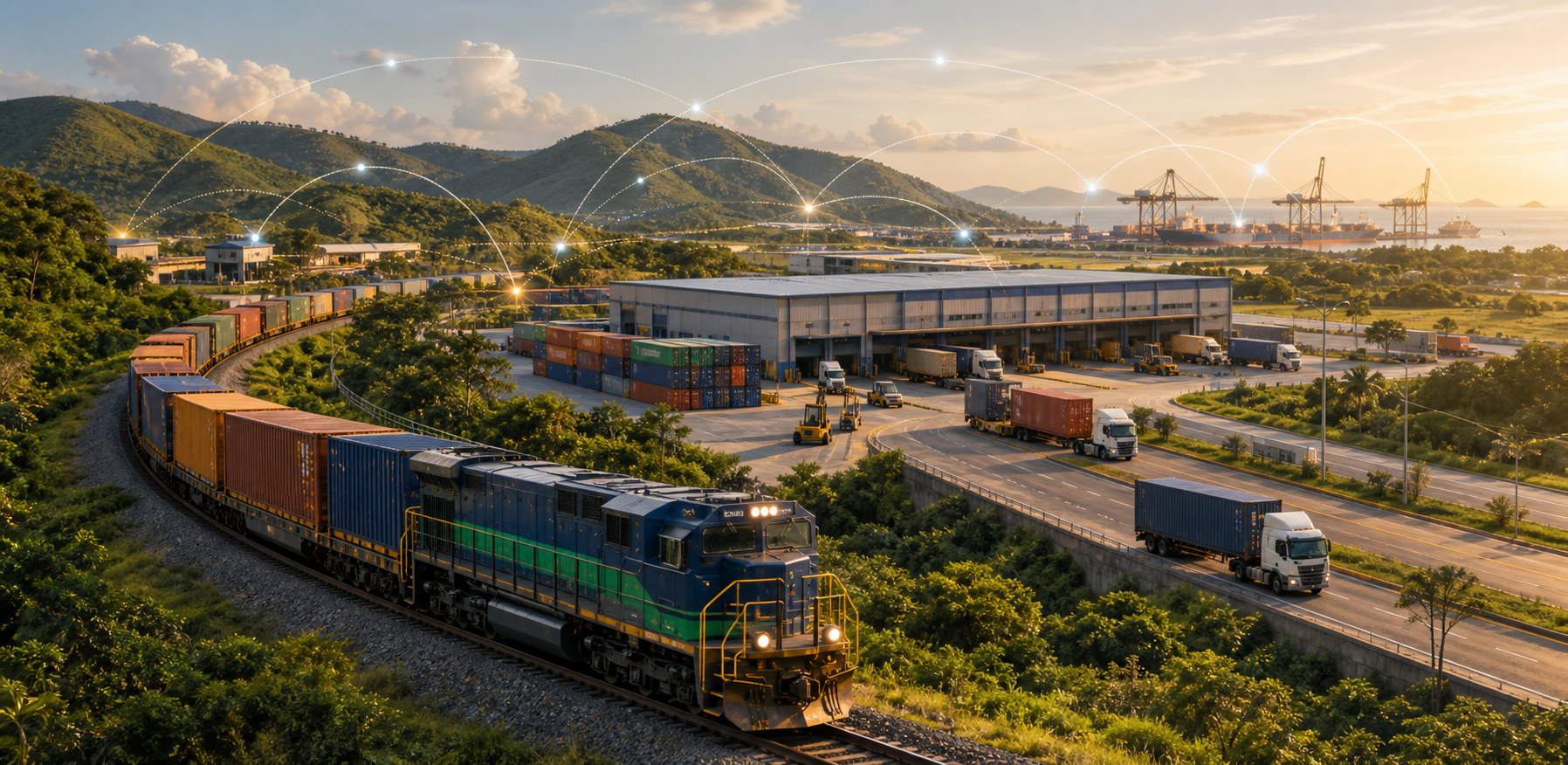
- Multi-route alternatives: Helping customers divert some cargo volumes to alternative paths such as China-Europe freight trains and South America routes
3.2 Trading Companies: Cost Control and Negotiation Strategy
Trading companies' transport cost optimization can proceed from the following aspects:
- Advance shipments: Lock in capacity before further freight rate increases
- FOB vs. CIF reassessment: Negotiating trade term adjustments with overseas buyers to share freight rate risks
- Supply chain coordination: Sharing logistics information with suppliers and customers to jointly optimize inventory strategies
3.3 Logistics Managers: Refined Management and Digital Tools
Logistics managers need to establish more refined freight rate management systems:
- Multi-channel price comparison: Integrating quotes from multiple freight forwarding service providers to obtain optimal solutions
- Trend forecasting: Building freight rate prediction models for forward-looking shipping schedule arrangements
- Contingency plans: Developing alternative plans when freight rates continue climbing (such as overseas warehouse pre-positioning, railway diversion)
4. Trend Outlook: Formation of a New Freight Rate Normal
This round of container freight rate increases is not a simple cyclical fluctuation but rather the result of multiple structural factors combining.
Looking ahead 12-18 months:
- Geopolitical risks will continue to disturb the international logistics market
- New energy transformation will affect capacity allocation through growing demand for chemical products and lithium battery transport
- Digitalization will drive efficiency improvements and cost reductions in freight forwarding services
For the long-term trend in freight forwarding rates, the industry generally expects a gradual return to reasonability in 2027—but with the floor significantly higher than the pre-pandemic baseline.
---
Keywords: container freight rates (7), international logistics (5), freight forwarding (4), trading companies (4), transport cost optimization (4), logistics managers (3), freight rates (3), shipping and air freight (2), Strait of Hormuz (1), Singapore Port (1)
Word count: ~1,800 words




China——Brazil Trajectory Tracking


+86 532-85066033/34






 中文简体
中文简体 ENGLISH
